Will Homeowners Insurance Cover Water Damage Restoration?
The Question Every Homeowner Asks After a Water Event
The moment you discover water damage in your home, two questions hit simultaneously: how bad is it, and will insurance cover it? The second question has no simple yes-or-no answer. Coverage depends on where the water came from, what your specific policy says, and how quickly you took action after the damage occurred. Understanding these distinctions before a loss happens — or immediately after one does — can be the difference between a fully covered claim and a denied one. Homeowners in Athens, GA face all of the same coverage variables as anyone else, and knowing how to navigate them matters.
Why the Source of the Water Is Everything
Insurance companies do not evaluate how much damage occurred first. They evaluate where the water came from. That single factor determines whether your standard homeowners policy will respond — or whether it will deny the claim outright.
The reasoning is straightforward: policies are written around specific covered perils. Sudden, accidental water events are typically included. Long-term seepage, flooding from outside, and damage from deferred maintenance are typically excluded. The same soaked drywall and buckled flooring can be either fully covered or entirely your responsibility, depending on that one distinction.
This is why homeowners in Athens, Georgia sometimes feel blindsided after a claim. Their home has obvious water damage. Their policy says they have water damage coverage. But because the source falls outside a covered peril, the claim is denied. Knowing the rules before that moment changes everything.
What Homeowners Insurance Typically Covers and Excludes
The table below shows how the most common water damage scenarios are typically treated under a standard homeowners insurance policy. Coverage can vary by insurer and by individual policy terms, so always confirm the specifics with your agent.
| Water Source | Typically Covered? | Key Condition |
|---|---|---|
| Burst or Broken Pipe | Yes | Must be sudden and accidental |
| Appliance Overflow (Washer, Dishwasher) | Yes | Must be sudden — slow leaks excluded |
| Roof Leak from a Storm | Usually | Roof must have been in reasonable condition |
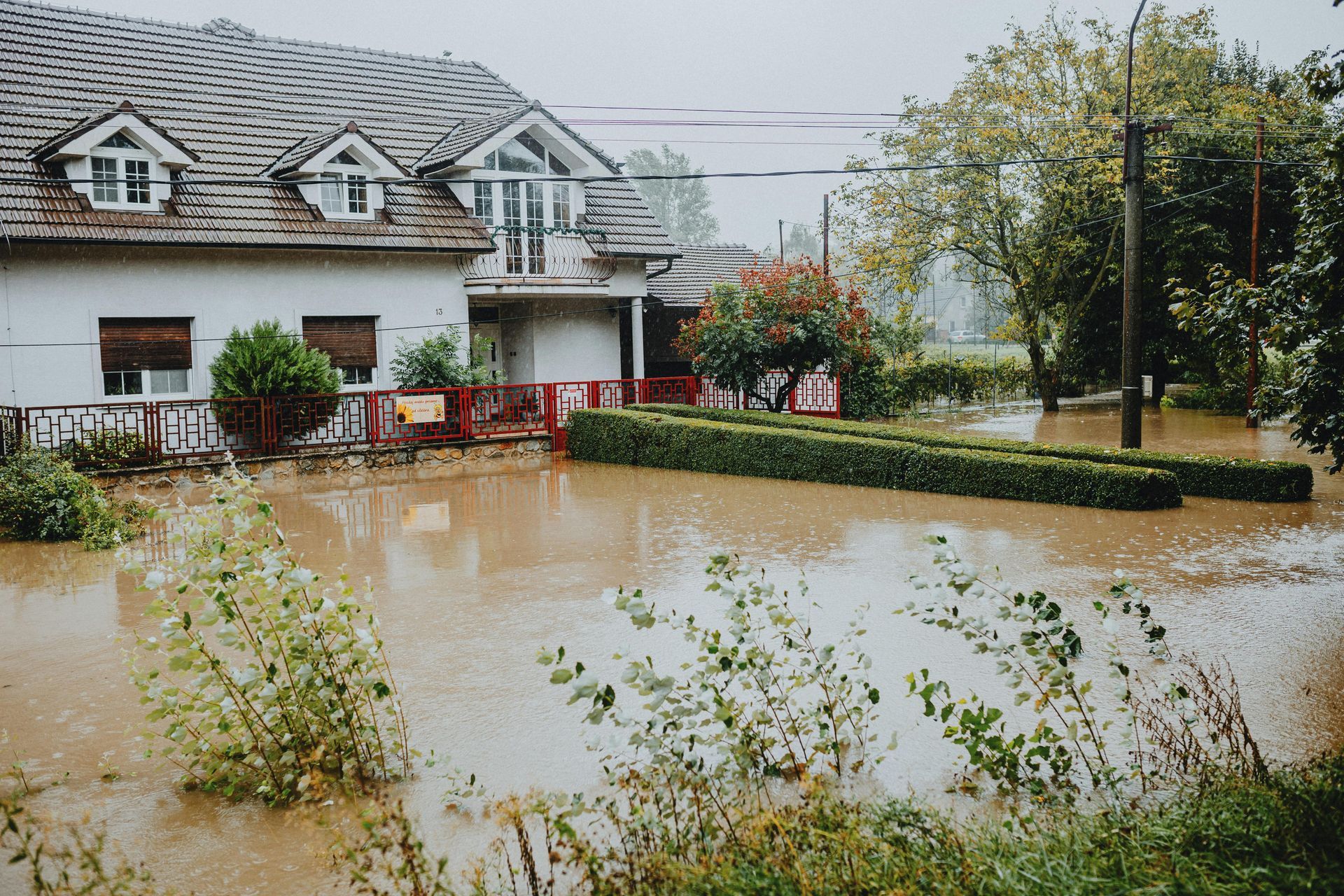
| Flooding from Rain, Rivers, Storm Surge | No | Requires separate flood insurance (NFIP or private) |
| Sewer or Drain Backup | No (unless added) | Requires a sewer backup endorsement |
| Gradual Leak or Seepage | No | Insurers expect ongoing maintenance |
| Foundation Seepage | No | Considered a maintenance issue |
What a Covered Claim Actually Pays For in Athens, Georgia
When your water event qualifies as a covered peril, your policy generally responds to the full scope of restoration — not just the cleanup. Here is what homeowners in Athens, GA can typically expect their insurance to cover under a valid claim:
- Water extraction and professional drying services
- Removal and disposal of damaged materials, including drywall, flooring, and insulation
- Mold remediation if it developed directly from the covered water event
- Structural repairs to walls, ceilings, subfloors, and framing
- Replacement of personal property damaged in the event, subject to your contents coverage limits
- Additional living expenses if the damage makes your home temporarily uninhabitable
Your deductible applies before any payout begins. Your coverage limits cap the total. And some policies pay actual cash value — depreciated replacement cost — rather than full replacement cost, which can significantly reduce what you receive for older materials.
How to File a Water Damage Insurance Claim Successfully
The claims process can feel overwhelming on top of an already stressful emergency. Taking the right steps in the right order gives your claim the best chance of approval — and helps you avoid the mistakes that lead to reductions or denials.
- Stop the source immediately. If a pipe is involved, shut off the main water supply. Insurers expect you to take reasonable steps to prevent additional damage.
- Document everything before any cleanup. Photograph and video all affected areas, materials, and damaged belongings before anything is moved or removed.
- Notify your insurer right away. Most policies require prompt notification. Delaying the report can give the insurer grounds to reduce or deny coverage.
- Call a restoration contractor immediately. Do not wait for an adjuster to visit before starting mitigation. Most policies actually require that you take steps to prevent further damage — and that's exactly what emergency drying does.
- Keep every receipt and record. Track all costs related to the event, including hotel stays, meals, and any emergency repairs.
- Request a written scope of loss from your contractor. This documentation is the foundation of your claim. A good restoration company will provide it as part of their standard process.
- Review the adjuster's estimate carefully. If the payout seems lower than expected, you have the right to question it, provide additional documentation, or engage a public adjuster.
Frequently Asked Questions
Will filing a water damage claim raise my insurance rates?
It depends on your insurer and your claims history. A single claim may have little effect, but multiple claims in a short period can lead to premium increases or non-renewal. Ask your agent specifically how a claim would affect your policy before filing.
Do I need multiple contractor quotes for my insurance claim?
Most insurers do not require it, though some may request a second estimate if the first seems high. Your insurer will assign an adjuster to independently assess the damage regardless.
What is a sewer backup endorsement, and should I add it?
A sewer backup endorsement extends your policy to cover damage from sewage or drains backing up into your home. In Athens, GA, where some neighborhoods have older infrastructure, this endorsement is worth the small additional annual premium.
Can my claim be denied after the work is already done?
Yes. If your insurer determines the damage was not from a covered cause, or that you failed to notify them in time, they can deny the claim even after restoration is complete. Always report the event and get insurer acknowledgment before authorizing major work.
When should I hire a public adjuster?
A public adjuster represents your interests — not the insurer's — in a claim dispute. If your claim has been denied, underpaid, or you believe the adjuster's assessment doesn't reflect the actual damage, a public adjuster can review your policy and negotiate on your behalf.
Know Your Coverage Before the Water Rises
Homeowners insurance can absorb most or all of a water damage restoration bill — but only when the event qualifies under your specific policy terms. Understanding where coverage exists, where gaps are, and how to navigate the claims process puts you in a much stronger position when something goes wrong.
Northeastern Restoration works directly with insurance companies on behalf of homeowners throughout Athens, Georgia and surrounding counties. We document every detail, provide comprehensive scopes of loss, and communicate with adjusters so you can stay focused on getting your home back to normal. Call us at
(678) 235-9436 for a free assessment.