What Happens If You Ignore Water Damage in Your Home?
The Problem With Waiting
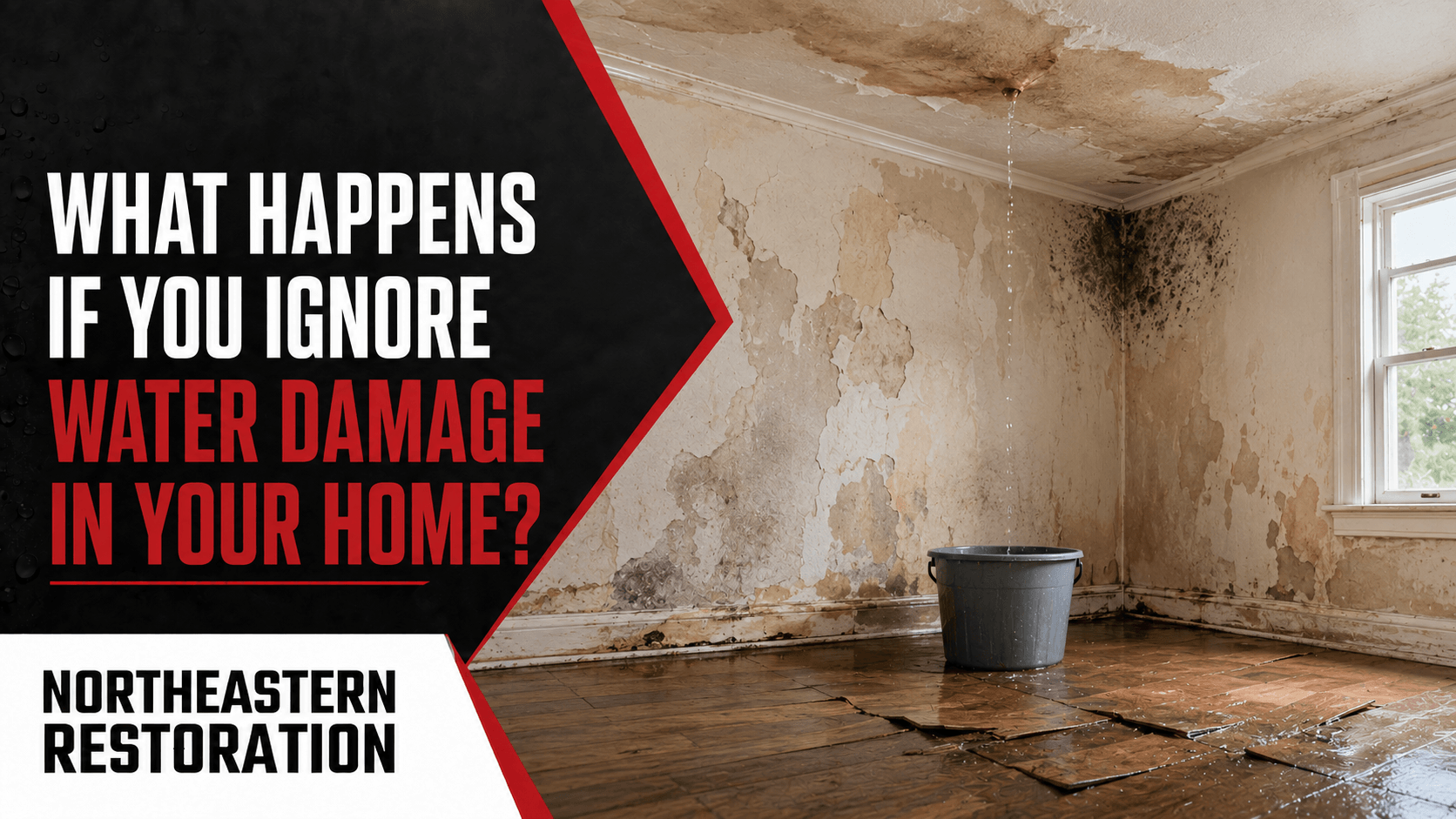
It's easy to convince yourself that water damage can wait. Maybe the wet area looks like it dried out on its own. Maybe the visible damage seems minor. Maybe calling a professional feels like an expense you can put off until next month. The problem is that water damage does not pause while you decide. It progresses through a predictable sequence — and at each stage, the scope of work required and the cost of fixing it grows. Understanding what actually happens when water damage goes unaddressed is often what changes a homeowner's mind about making that call.
The First 24 to 48 Hours: Fast Deterioration
The initial hours after a water event are where the most consequential decisions are made. In the humid climate of Athens, GA, this window is even more critical — ambient moisture accelerates absorption into building materials and creates faster conditions for mold.
Within the first 24 to 48 hours of unaddressed water damage, several damaging processes begin simultaneously:
Structural Materials Begin to Absorb
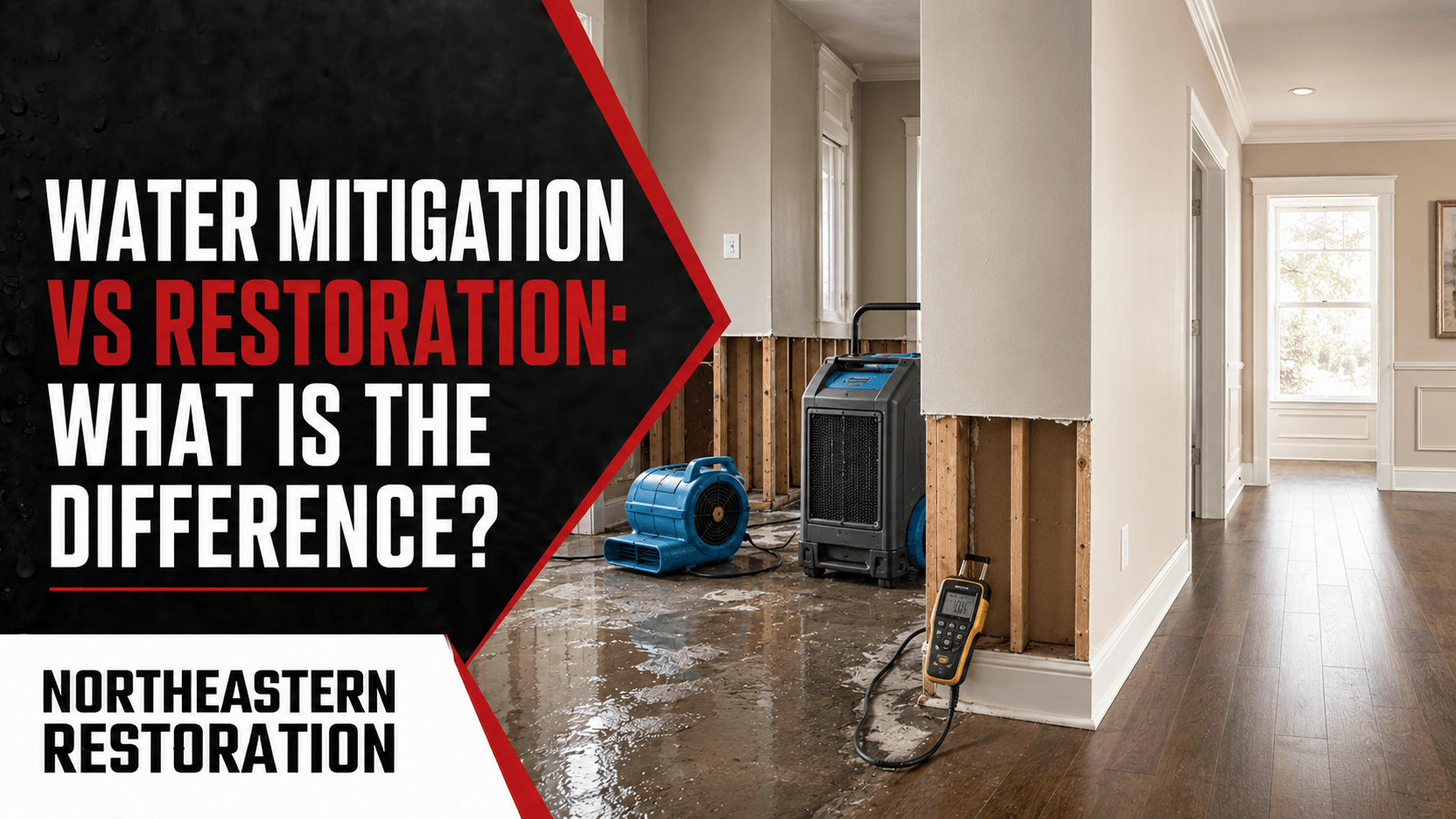
Drywall swells and softens within hours of sustained contact with water. Wood flooring begins to buckle and cup as moisture penetrates the grain. Subfloors absorb water from above and below, weakening the structural layer that supports everything sitting on top of it.
Metal Components Begin to Corrode
Fasteners, brackets, metal framing components, and pipe fittings begin to oxidize when exposed to moisture. Rust compromises the structural integrity of connections throughout the affected area.
Soft Materials Become Saturated
Carpet and padding act as sponges, holding moisture against subfloors and creating warm, wet environments that bacteria thrive in. Upholstered furniture absorbs water quickly and begins to swell, stain, and delaminate.
Electrical Systems Become Hazardous
Water near electrical panels, outlets, or wiring creates serious shock and fire risks. Affected electrical systems should be treated as unsafe until inspected by a qualified professional.
During this window, the restoration cost is at its lowest point. A professional extraction and drying job started within 24 hours can frequently resolve the situation before any permanent damage occurs.
Days Two Through Seven: Mold Enters the Picture
Mold is the most significant and expensive consequence of a delayed water damage response. Under the right conditions — warm temperatures, organic materials, and sustained moisture — mold begins colonizing within 24 to 48 hours and becomes visible on surfaces within three to seven days.
In Athens, Georgia, the warm climate makes mold growth particularly aggressive during most of the year. What starts as a minor water event becomes a combined water-and-mold remediation project, and the cost difference between those two scopes is substantial — often double or triple the original estimate.
Once mold is established, drywall, insulation, and wood framing that could have been dried in place must now be physically removed. Air quality in the home deteriorates as spores circulate through HVAC systems. Health effects — respiratory irritation, allergic reactions, persistent headaches — begin affecting sensitive occupants. And the longer mold is present, the deeper its root structures penetrate into building materials, expanding the scope of what needs to be addressed.
Weeks of Delay: Structural Damage That Cannot Be Reversed
When water damage goes unaddressed for weeks, the problems shift from restorable to structural. Homeowners in Athens, GA who discover an old leak — or who have been managing a slow drip without addressing the damage it has caused — frequently face consequences that go well beyond what the original event would have cost to fix.
- Rot: Wood framing, subfloors, and structural beams begin to decay from sustained moisture exposure, compromising the structural integrity of the affected area.
- Deep mold infiltration: Mold colonies expand through wall cavities, under flooring systems, and into insulation — requiring extensive demolition to fully remediate rather than surface treatment.
- Pest activity: Insects and rodents are drawn to damp, deteriorating wood. An ignored water event can become an active infestation over time.
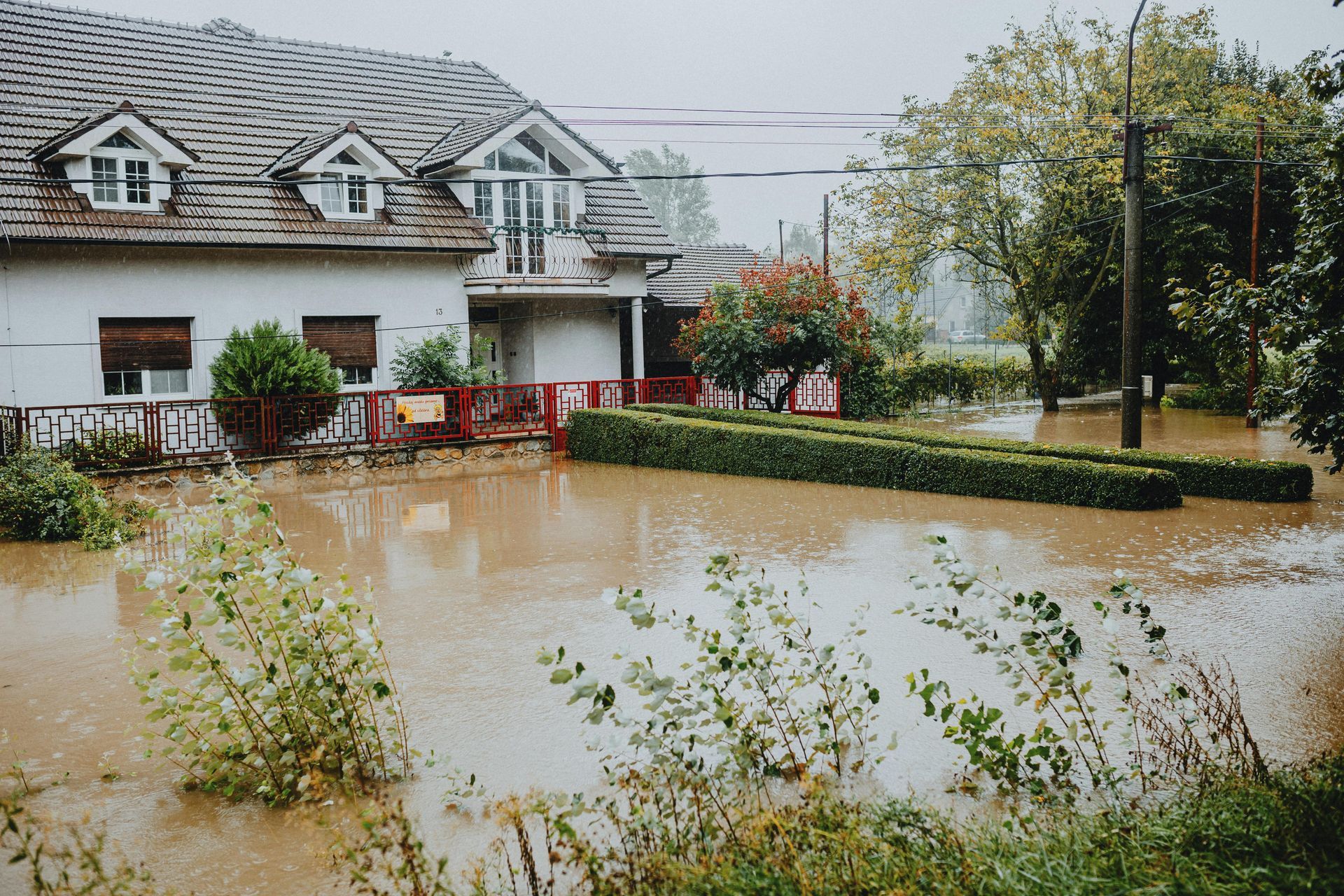
- Foundation concerns: If the water source was external, basement walls and foundation systems can develop long-term seepage patterns and hydrostatic pressure issues that require specialized repairs.
- HVAC contamination: If mold spores have entered the air handling system, they are distributed throughout the entire home every time the system runs — turning a localized problem into a whole-house issue.
At this stage, a problem that might have cost $1,500 to address in the first 48 hours can easily require $15,000 or more to fully resolve — if it can be fully resolved at all without major reconstruction.
The Financial and Legal Consequences You May Not Be Thinking About
The direct restoration cost is only part of what ignoring water damage costs you. Homeowners in Athens, Georgia who delay treatment or handle it inadequately face a range of downstream consequences that compound well after the repair is done.
Insurance Claim Jeopardy
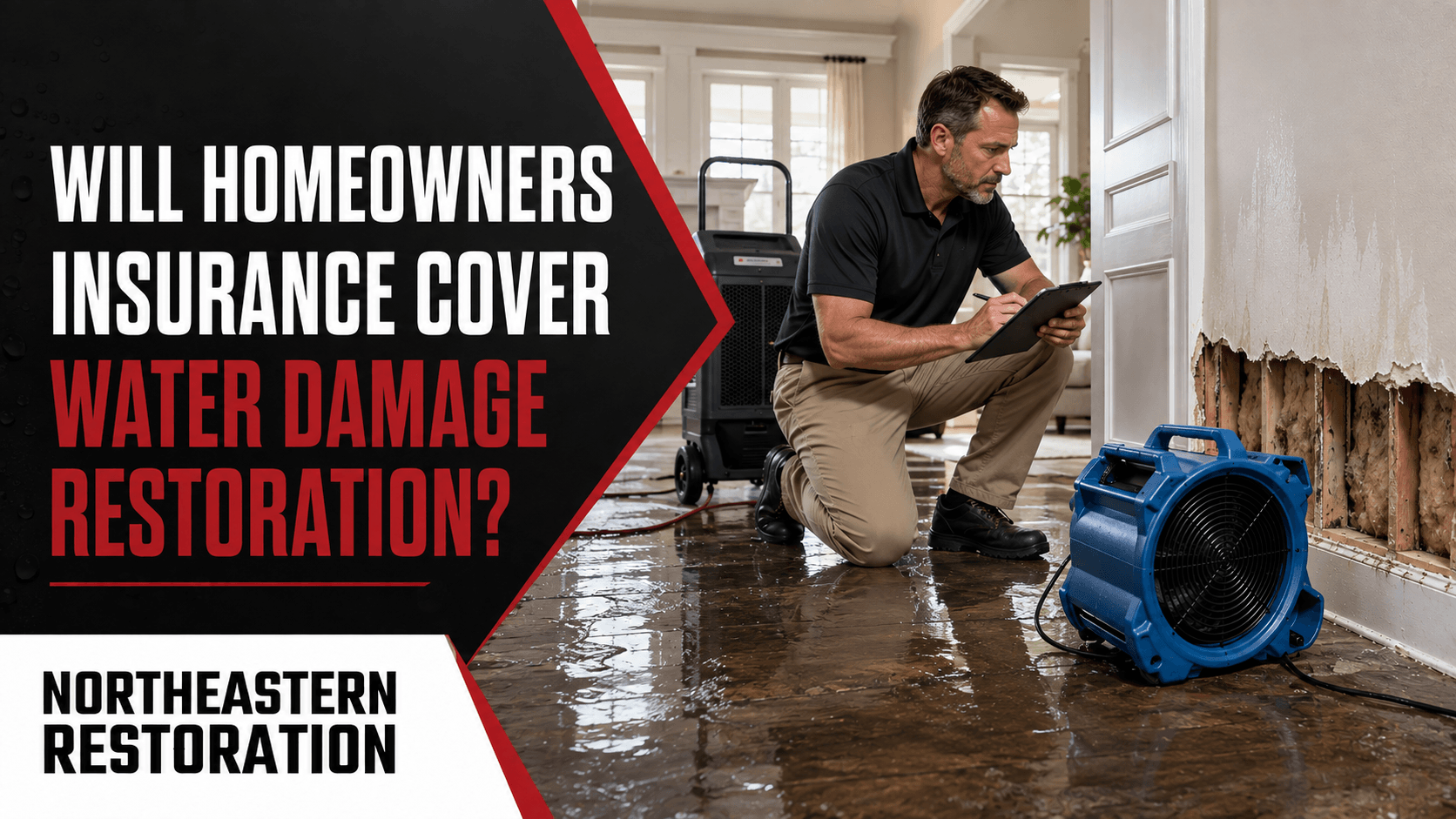
Homeowners insurance policies require policyholders to take reasonable steps to mitigate damage after a covered event. Failing to act promptly gives your insurer grounds to reduce or deny the portion of your claim attributable to the delay. What would have been a fully covered event can become a partial or denied claim.
Property Value and Disclosure Obligations
Water damage history that is not properly documented and remediated must be disclosed when selling a home in Georgia. Undisclosed known defects create legal liability after closing. And even when disclosed, improperly handled water damage — without professional documentation — suppresses buyer confidence and sale price.
Insurability
Multiple water damage events or evidence of deferred maintenance can make it harder to renew your homeowners policy at renewal time, or result in significant premium increases. Insurers view a history of unaddressed damage as a signal of elevated future risk.
Frequently Asked Questions
How do I know if water damage is hidden inside my walls?
Common signs include musty odors, soft or discolored drywall, peeling paint or wallpaper, and unexplained increases in your water bill. A professional restoration company can use moisture meters and thermal imaging cameras to detect hidden moisture without opening walls.
If an area looks dry, does that mean the water damage is resolved?
No. Surfaces dry faster than structural materials. Moisture trapped inside walls, under flooring, or in insulation continues to cause damage and promote mold growth even when everything looks and feels dry on the surface.
Is it illegal to sell a home with undisclosed water damage in Georgia?
Yes. Georgia law requires sellers to disclose known material defects, which includes water damage and mold. Selling with known undisclosed damage creates significant legal exposure after closing.
What can I do to slow mold growth if I can't call a professional immediately?
Run dehumidifiers, increase ventilation, and remove wet materials like rugs and furniture from the affected area as quickly as possible. These steps slow mold development but do not replace professional extraction and drying.
Will insurance cover damage that worsened because I waited to call?
Generally not. Insurers can reduce or deny coverage for the portion of damage that resulted from a homeowner's failure to act promptly after a covered event. Delayed action is one of the most common reasons water damage claims are reduced.
Fast Action Is the Most Powerful Decision You Can Make
Water damage is one of the few home emergencies where your response time is the primary cost variable. A fast, professional response in the first 24 to 48 hours frequently contains the damage before it compounds. Waiting — even for a few days — almost always results in a larger scope of work, a higher bill, and a longer disruption to your life.
Northeastern Restoration provides 24/7 emergency water damage response throughout Athens, GA and surrounding counties. Our team can be on-site within 60 minutes, ready to extract water, begin structural drying, and stop the progression of damage before it becomes something far more serious. Call us at
(678) 235-9436 — any time.