How Much Does Fire Damage Restoration Usually Cost?
Understanding Costs Before You Start Making Calls
A house fire is one of the most disorienting experiences a homeowner can face. Even a small, contained fire leaves behind damage that goes far beyond what the flames touched. Smoke infiltrates every room. Soot settles on every surface. The water used to extinguish the fire creates its own separate layer of damage that needs professional attention. Once the fire department leaves and the immediate crisis is over, one of the first questions becomes: how much is this going to cost? The range is wide — from a few thousand dollars for a quickly contained kitchen fire to six figures for a major structural event — and understanding what drives that range helps you act faster and more effectively.
Why Fire Damage Restoration Is More Complex Than It Looks
Unlike water damage — which is primarily about extraction and drying — fire damage restoration is a multi-phase project addressing four distinct types of damage at the same time. Homeowners in Athens, GA are often surprised by the scope because the visible char is rarely the largest part of the job.
Flame damage is only the beginning. Smoke moves through an entire structure and deposits residue on walls, ceilings, HVAC systems, and belongings — including in rooms the fire never reached. Soot is acidic and continues chemically degrading surfaces if not removed quickly; some materials can be permanently stained within 48 to 72 hours. And firefighting efforts leave behind water intrusion that requires its own extraction and structural drying process before any other work can begin.
What looks like a single event is actually four overlapping damage types that all require professional treatment. That's why the restoration scope — and the cost — typically runs higher than homeowners anticipate when they first walk through the affected area.
Average Fire Damage Restoration Costs in Georgia
Fire damage costs in Georgia scale with severity. The table below provides typical ranges based on the type and scope of fire event. These figures cover restoration work only — replacement of personal property, furniture, and appliances is handled separately under your contents coverage.
| Scenario | Estimated Cost Range |
|---|---|
| Smoke and soot cleanup only (fire extinguished quickly) | $2,000–$8,000 |
| Minor or contained kitchen fire | $3,000–$12,000 |
| Moderate fire affecting one or two rooms | $10,000–$30,000 |
| Severe fire with major structural involvement | $30,000–$100,000+ |
| Total or near-total loss | Varies by sq ft and current construction costs |
| Odor removal as a standalone service | $500–$4,000 |
Key Cost Factors for Fire Damage Restoration in Athens, GA
Every fire is different, and the specific variables at play in your situation will determine where your final cost falls within these ranges. Restoration professionals in Athens, Georgia evaluate the following factors when developing an accurate estimate:
Burn Area vs. Smoke Area
The area touched by flames is almost always smaller than the area affected by smoke. Smoke remediation — which can include the entire home — is frequently the largest single cost driver. A contained kitchen fire can still require whole-house smoke treatment if the HVAC system was running during the event.
Type of Materials That Burned
Synthetic materials like plastics, foam padding, and vinyl produce heavy, oily soot that is far more difficult and expensive to clean than soot from burning wood or paper. Synthetic soot also tends to penetrate deeper into porous surfaces, requiring more aggressive treatment.
HVAC System Involvement
If the heating and cooling system ran during or after the fire, soot and smoke were likely distributed through every room via the ductwork. HVAC cleaning adds meaningfully to the total scope and requires specialized equipment to do correctly.
Structural Damage Extent
Determining which structural components — framing, sheathing, roof decking — are salvageable versus which must be replaced requires a professional assessment. The ratio of salvageable to non-salvageable materials is a major cost variable in larger fires.
Odor Elimination Complexity
Smoke odor penetrates deeply into porous materials — drywall, wood, insulation, upholstery, clothing. Eliminating it permanently requires specialized equipment and processes such as thermal fogging, ozone treatment, or hydroxyl generation. The more porous material involved, the more extensive this phase of the work becomes.
The Fire Damage Restoration Process From Start to Finish
Understanding what the restoration process involves helps clarify why costs can be higher than homeowners expect, even for fires that appear contained. In Athens, Georgia, a complete fire damage restoration follows a structured sequence from the moment the job begins to the final walkthrough:
- Emergency board-up and tarping. The structure is secured against weather, unauthorized entry, and further damage immediately after the fire.
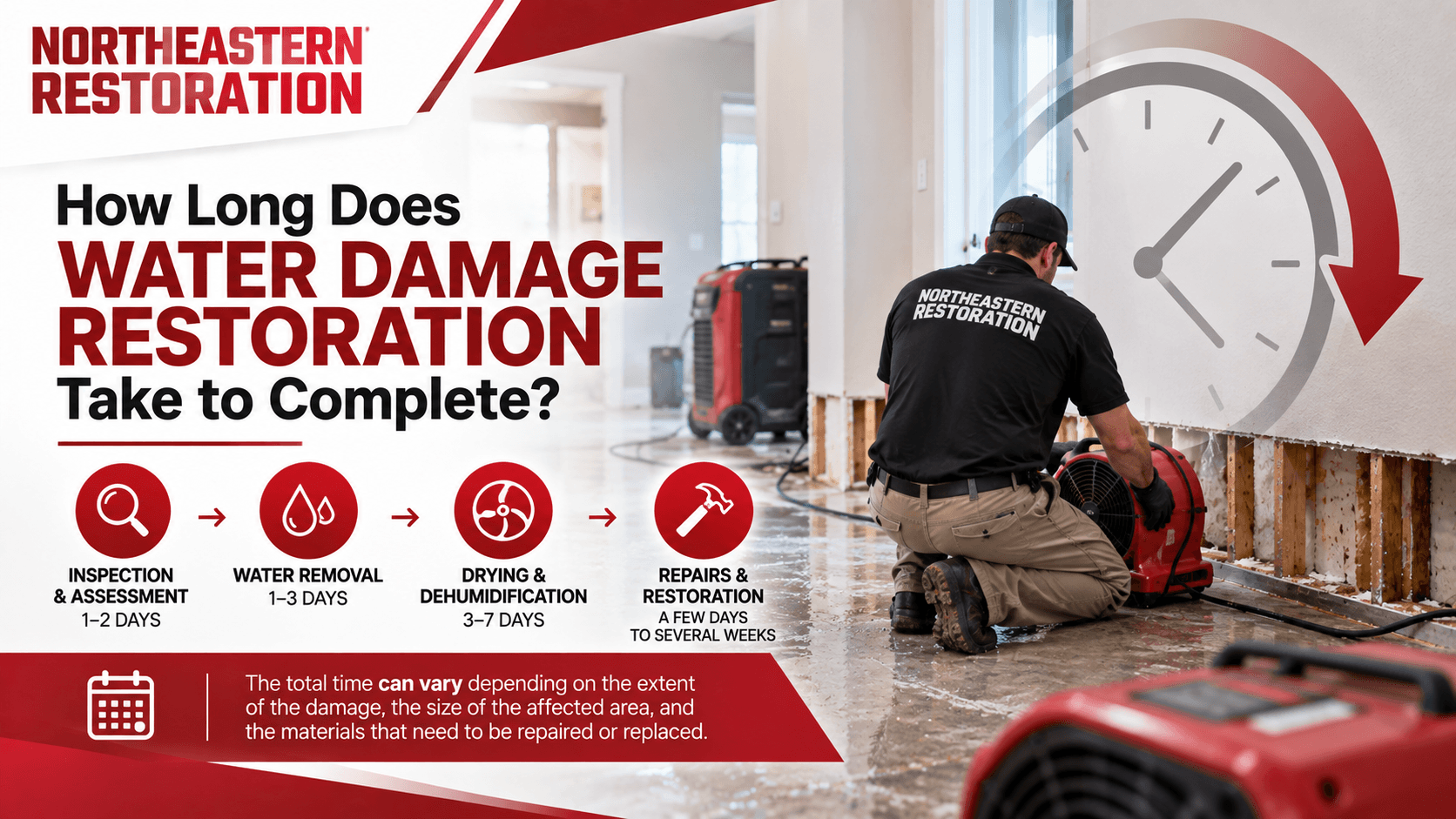
- Water extraction and drying. Water from firefighting efforts is extracted and structural drying begins using commercial air movers and dehumidifiers.
- Damage assessment and scope of loss documentation. All affected areas are thoroughly documented for insurance purposes, including areas affected by smoke that extend beyond the burn zone.
- Demolition of non-salvageable materials. Charred framing, saturated drywall, destroyed insulation, and other materials that cannot be cleaned or saved are removed.
- Smoke and soot cleaning. All salvageable surfaces are cleaned using specialized dry sponges, chemical cleaners, and equipment calibrated for different soot types.
- Deodorization. Ozone treatment, thermal fogging, or hydroxyl generators are used to neutralize smoke odor at a molecular level throughout the affected structure.
- HVAC cleaning. Ductwork and air handling components are cleaned to prevent residual soot and odor from recirculating.
- Reconstruction. All removed materials are replaced, finished, and painted to restore the property to its pre-fire condition.
- Final inspection and documentation. A walkthrough confirms all work is complete and provides your insurer with final documentation of the completed restoration.
Frequently Asked Questions
How long does fire damage restoration take from start to finish?
Smoke and soot cleanup alone can take a few days. Fires involving structural damage and reconstruction can take several weeks to several months. Your contractor should provide a timeline estimate as part of the initial scope of work.
Can smoke damage be cleaned without replacing walls and ceilings?
Sometimes. Smoke damage on painted drywall can often be cleaned and sealed with a specialized primer. However, heavily contaminated drywall, insulation, and materials with deep soot penetration typically require replacement rather than surface treatment.
Do restoration contractors handle insurance documentation for fire claims?
Yes. Reputable contractors document all damage thoroughly, provide itemized scopes of loss, and communicate directly with your adjuster throughout the process. This is a standard part of the service, not an add-on.
Is smoke odor permanent without professional treatment?
Without professional deodorization, smoke odor can persist for months or years embedded in porous materials. Air fresheners and fans address surface odor only. Treatments like thermal fogging and ozone are designed to neutralize the odor molecules themselves.
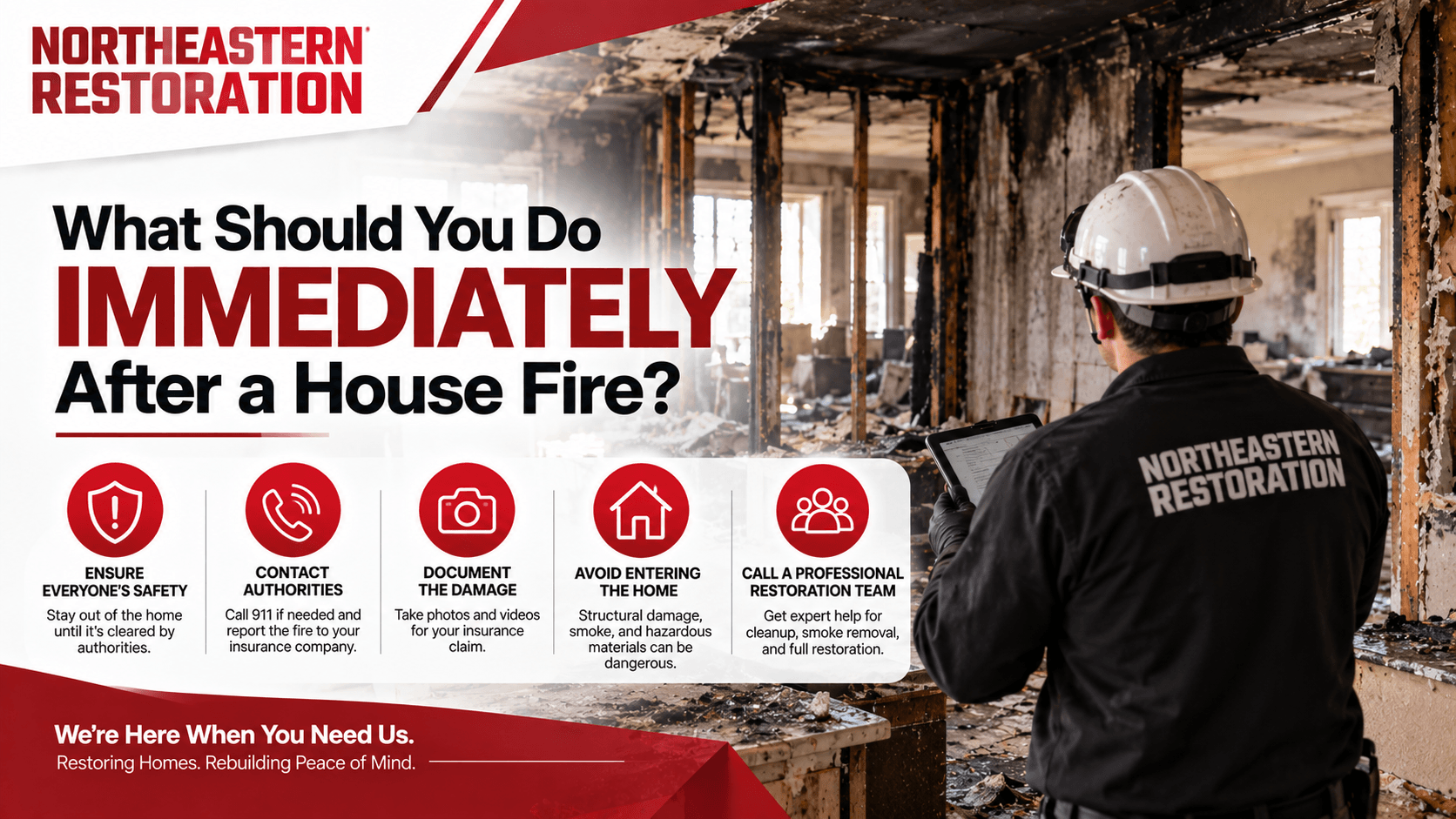
What should I avoid touching after a house fire?
Do not disturb soot, which spreads easily and can permanently stain surfaces on contact. Do not clean walls, ceilings, or upholstered items yourself. Do not run the HVAC system, as this distributes soot further. Document everything with photographs before any cleanup begins.
Moving Forward After a Fire
Fire damage restoration is a complex, multi-phase process — and the costs reflect that complexity. But a thorough restoration done correctly is what makes it possible to fully return your home to its pre-fire condition, rather than living with persistent odor, hidden soot residue, or structural issues that compound over time.
Northeastern Restoration provides professional fire damage restoration services throughout Athens, GA and surrounding counties. From emergency board-up through final reconstruction, our IICRC-certified team handles every phase and works directly with your insurer throughout the process. Call us at
(678) 235-9436 for a free assessment.