What Is the Difference Between Mold Removal and Remediation?
The Direct Answer: One Cleans the Surface, the Other Solves the Problem
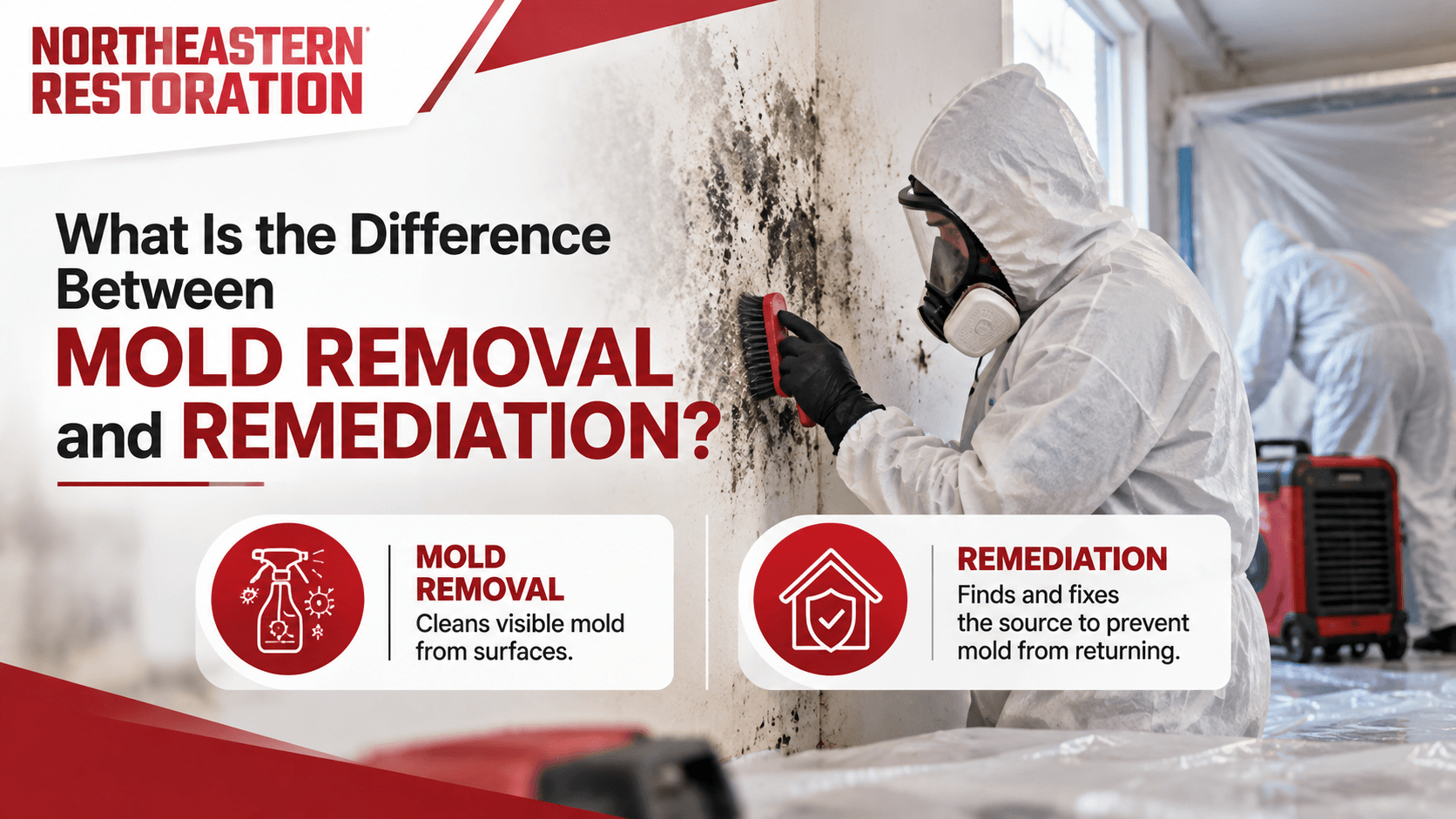
Mold removal cleans visible mold off a surface. Mold remediation is a complete process — assessment, containment, HEPA filtration, material removal, surface treatment, and post-clearance testing — that eliminates mold at its root and verifies the result. On porous materials like drywall and wood, removal alone almost always leads to regrowth. Remediation does not. In Athens, GA, where high year-round humidity makes recurrence nearly guaranteed without proper treatment, understanding this distinction before hiring a contractor can save you from paying for the same problem twice.
What Mold Removal Actually Means
Mold removal means physically cleaning mold off a surface — scrubbing, wiping, or treating with an antimicrobial agent to eliminate the visible colony. Done correctly on the right surface, it works. Done on the wrong material, it creates the appearance of success while leaving the problem structurally intact.
The fundamental limitation of mold removal is that it only addresses what you can see. Mold is a living organism with a root structure — mycelium — that penetrates beneath the surface of porous materials. Cleaning removes what is visible, but the root network embedded in drywall, wood framing, or insulation remains alive. When moisture conditions return — which they will in Athens, Georgia's climate — that root structure regenerates a new colony within days to weeks.
Surface removal is appropriate in one narrow context: mold on genuinely non-porous surfaces — sealed concrete, ceramic tile, glass, or metal — where there is no root structure to anchor into. The material type, not the visible colony size, determines whether removal alone is sufficient.
What Professional Mold Remediation Actually Involves
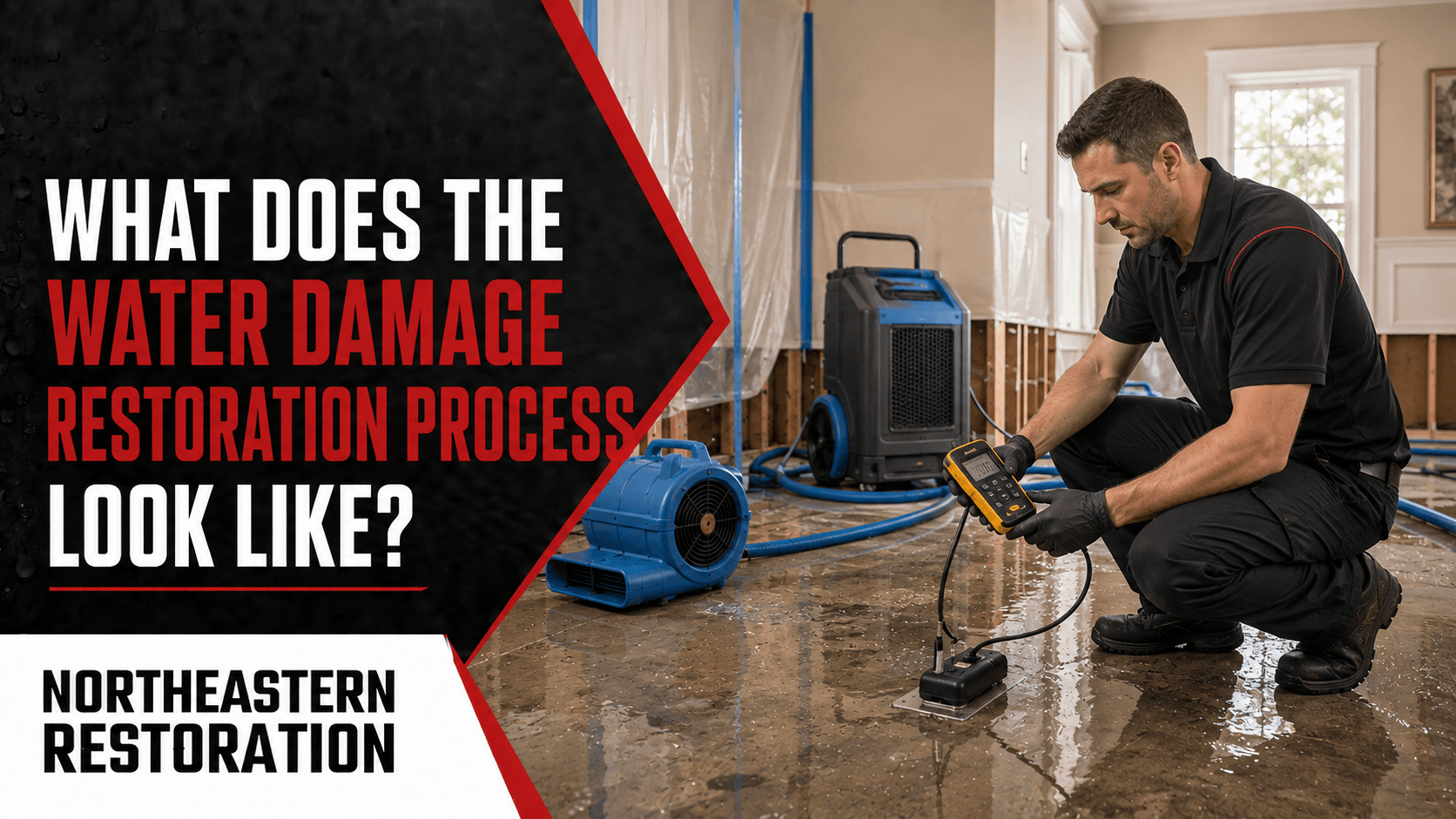
Mold remediation is a complete, structured process that addresses the full extent of affected materials, manages air quality throughout the work, and includes independent verification before the job is considered finished. A properly executed remediation moves through six defined phases:
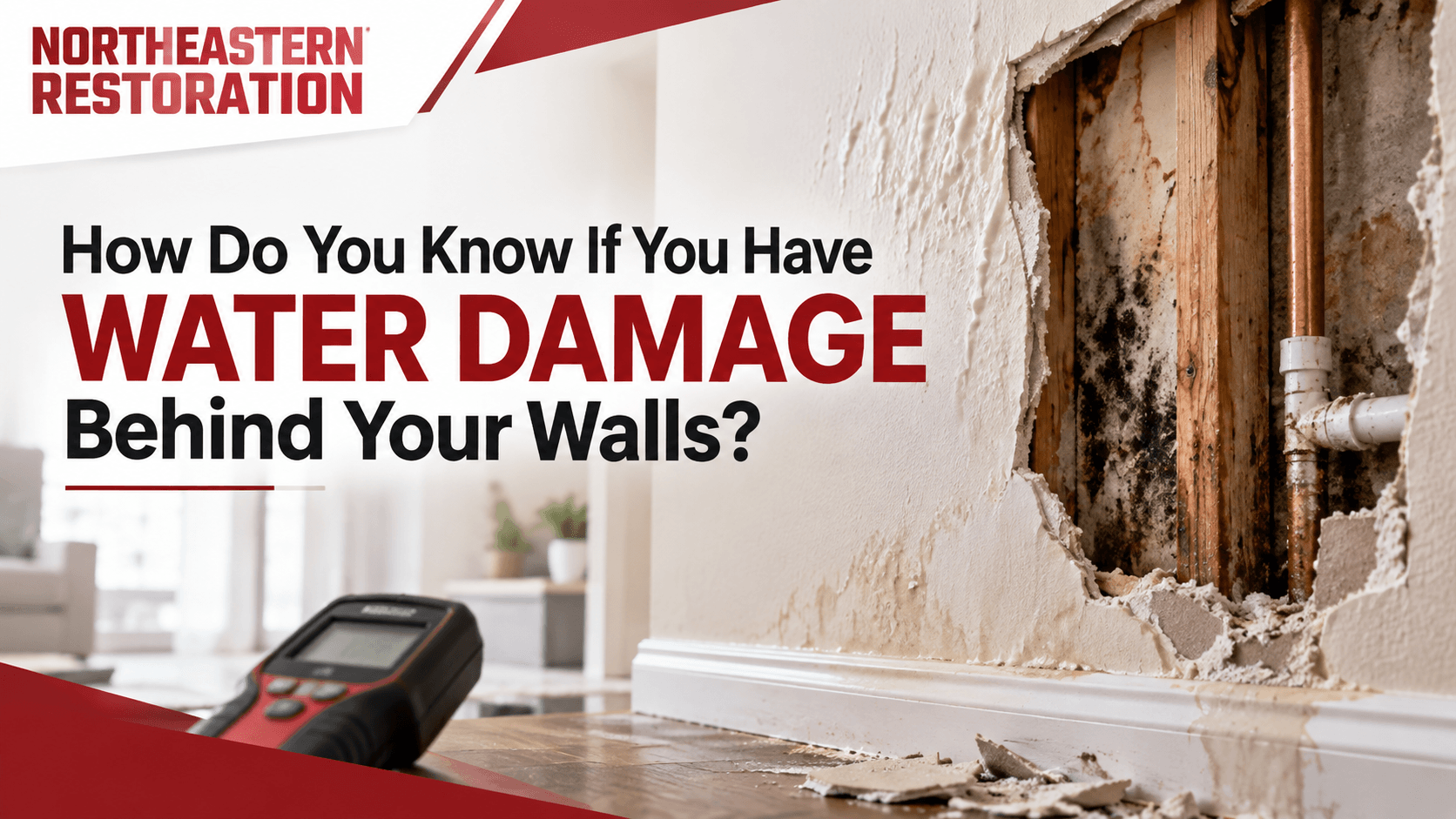
- Assessment and moisture mapping. Moisture meters and thermal imaging locate all growth — including colonies hidden behind walls, under flooring, and inside HVAC systems — before any cleaning begins.
- Containment. The work area is sealed with plastic sheeting and placed under negative air pressure, preventing disturbed spores from traveling to unaffected areas of the home.
- HEPA air filtration. Commercial air scrubbers with HEPA filters run continuously inside the containment zone, capturing airborne spores and maintaining safe air quality throughout the process.
- Material removal. Porous materials that cannot be effectively cleaned — drywall, insulation, carpet, and affected wood framing — are physically removed and disposed of following biohazard protocols. This step is what distinguishes remediation from removal.
- Surface treatment. All remaining structural surfaces inside the containment zone receive antimicrobial treatment to eliminate residual growth and inhibit future colonization.
- Post-remediation verification. An independent air quality test confirms that indoor spore counts have returned to outdoor baseline levels before containment is removed. This clearance step makes the outcome verifiable — not assumed.
Mold Removal vs. Mold Remediation: Side-by-Side Comparison
The table below compares the two approaches across the factors that most determine whether a mold problem is truly resolved or only temporarily suppressed.
| Factor | Mold Removal | Mold Remediation |
|---|---|---|
| What it addresses | Visible surface mold only | Full extent including hidden growth |
| Effective on porous materials? | No — root structure remains | Yes — material is physically removed |
| Containment used? | Rarely | Always on significant jobs |
| Air quality managed? | No | Yes — HEPA filtration throughout |
| Post-treatment verification? | No | Yes — independent air quality test |
| Risk of recurrence | High on porous materials | Low when moisture source is resolved |
| Appropriate for | Small patches on non-porous surfaces | Any mold on porous materials or >10 sq ft |
Choosing Between Mold Removal and Remediation for Your Athens, GA Home
The choice is determined by material type and scope — not by budget or preference. Here is how to think through the decision correctly:
When Surface Mold Removal Is Sufficient
Removal is appropriate only when the affected area is under 10 square feet, the mold is growing on a hard non-porous surface — ceramic tile, sealed concrete, or glass — and the moisture source has been permanently resolved. In those specific conditions, thorough surface treatment eliminates the problem completely.
When Full Mold Remediation Is Required
Remediation is required whenever mold has grown on porous materials — drywall, wood, insulation, or carpet — regardless of visible colony size. It is also required when growth exceeds 10 square feet, appears in multiple locations, or when the moisture source has not been fully identified and resolved. In Athens, Georgia, mold growing on any organic building material has almost certainly penetrated below the surface and requires remediation, not cleaning.
A Critical Warning About Contractor Language
Some contractors use the word remediation to describe a surface cleaning job. Before authorizing any mold work, ask directly: Will containment be established? Will affected porous materials be physically removed? Is post-remediation air quality testing included? If the answer to any of these is no, the work being proposed is removal — not remediation — regardless of what it is called on the invoice.
Frequently Asked Questions About Mold Removal and Remediation
Does mold always come back after removal without remediation?
Yes, on porous materials — nearly always. The root structure left in place after surface cleaning regenerates a visible colony whenever moisture returns. On non-porous surfaces where removal is genuinely complete, recurrence depends entirely on whether humidity is controlled going forward.
Are there mold types that require full remediation regardless of surface?
Yes. Stachybotrys chartarum and other mycotoxin-producing species require full remediation protocols regardless of surface type or colony size. The health risk makes containment and air quality management non-negotiable even on surfaces that could technically be cleaned.
Can I test for mold myself before calling a professional?
DIY test kits can confirm the presence of spores but cannot identify species, quantify the extent of growth, or locate hidden colonies. A professional air quality test provides actionable information a kit cannot — including whether removal or full remediation is appropriate.
What does post-remediation air quality testing actually confirm?
It measures indoor spore concentration against an outdoor baseline. Acceptable clearance means indoor counts are at or below outdoor levels with no elevated concentration of any single species. An independent tester's confirmation is the only verifiable proof that remediation was successful.
Does homeowners insurance cover mold remediation costs?
Coverage depends on the cause. Mold resulting from a covered water event — such as a burst pipe — is frequently covered. Mold from gradual moisture buildup, deferred maintenance, or long-term humidity problems is typically excluded. Document the moisture source carefully at the time of discovery.
Get the Right Mold Treatment — Not Just the Cheapest One
The difference between mold removal and remediation is not semantic — it is the difference between a problem that stays solved and one that returns with every humid season. Material type and scope determine which approach is appropriate, and no surface treatment on porous materials substitutes for proper remediation.
Northeastern Restoration provides full-scope mold remediation throughout Athens, GA and surrounding counties, with proper containment, material removal, and independent clearance testing on every qualifying job. If you are seeing signs of mold and want an honest assessment of what your situation requires, call us at
(678) 235-9436 for a free inspection.