How Do You Know If You Have Water Damage Behind Your Walls?
The Short Answer: Look for These Seven Warning Signs
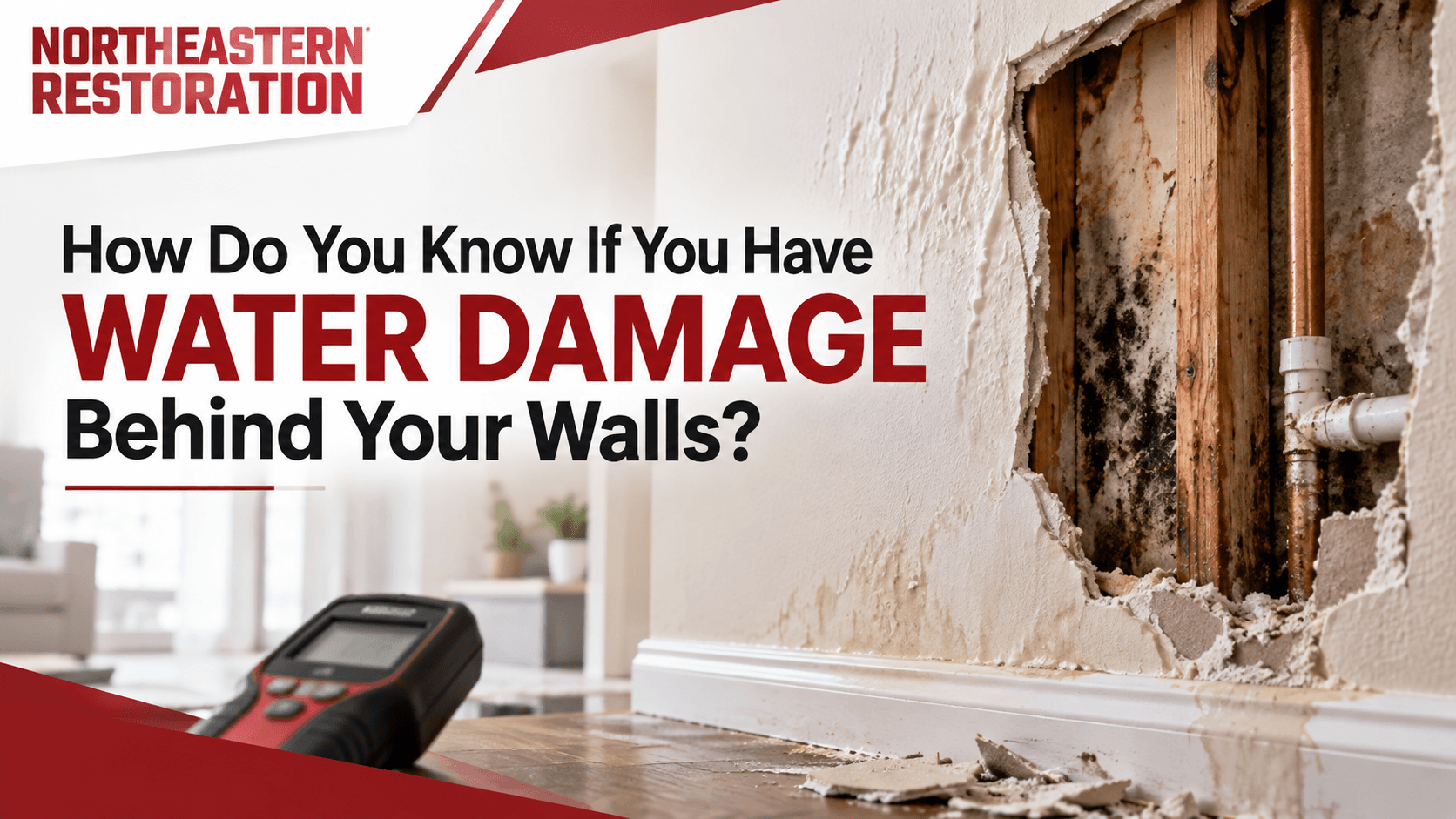
Water damage behind walls usually reveals itself through staining, bubbling paint, soft or spongy drywall, visible mold at seams, musty odors, warped flooring, or unexplained spikes in your water bill. Most homeowners in Athens, GA discover hidden water damage only after it has been developing for days or weeks — because the early signs are easy to miss or dismiss. This guide walks through every major indicator and explains when a professional moisture inspection is warranted.
Visual Signs of Water Damage Inside Your Walls
Your walls and ceilings communicate moisture problems through a consistent set of visible changes. Individually these signs are easy to overlook; together they form a reliable picture of what is happening behind the surface.
Staining and Discoloration
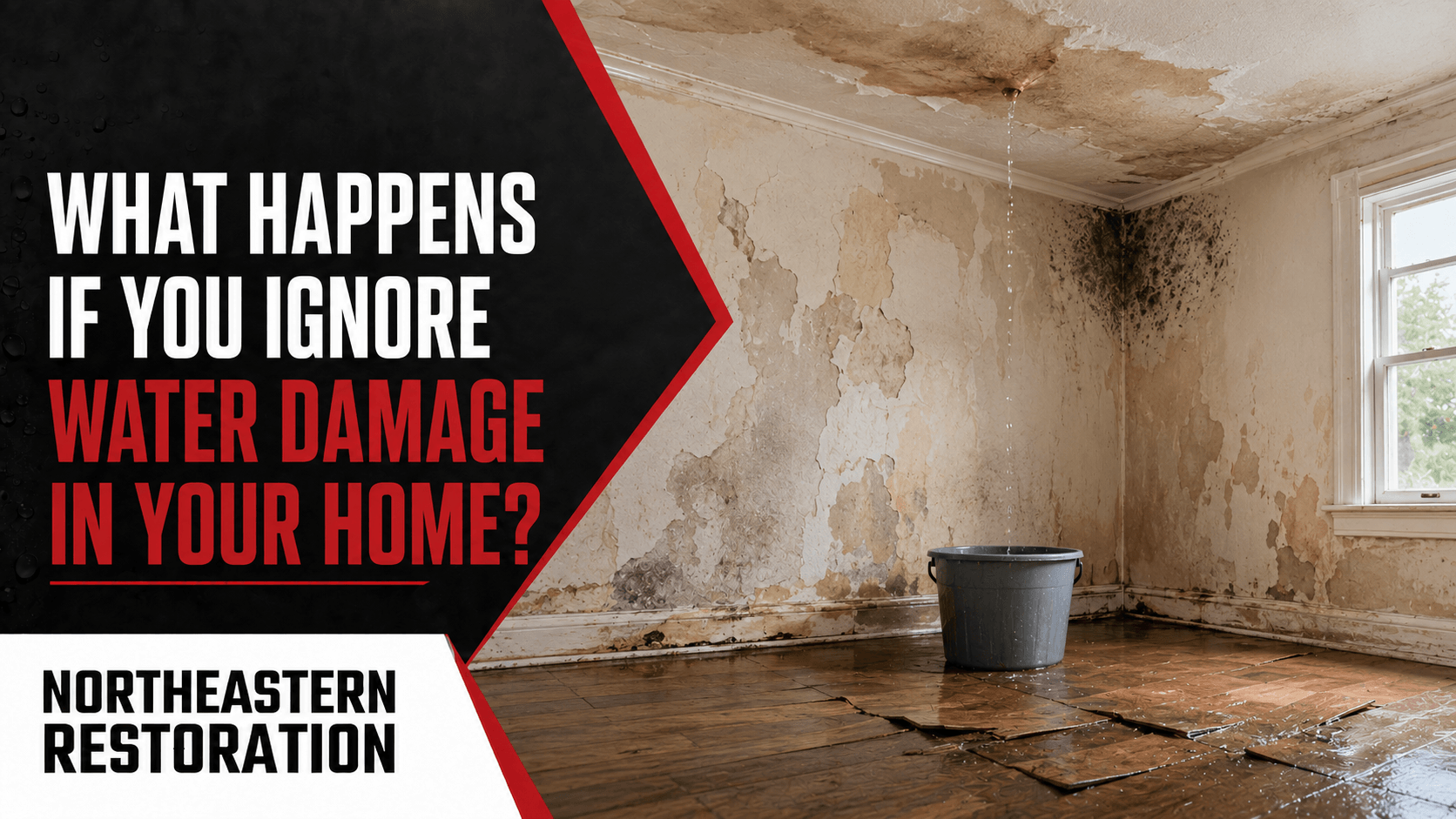
Yellow, brown, or copper-toned stains on walls or ceilings are the most recognizable sign of water intrusion. They form when water carries minerals through drywall and evaporates, leaving residue behind. A dried stain often has a ring-shaped border. An active stain may feel soft or slightly cool to the touch. Either way, it signals moisture behind the surface — not just a cosmetic issue.
Bubbling, Peeling, or Warped Paint
Paint and wallpaper lose their bond to the substrate when moisture accumulates behind them. Bubbling paint — where pockets of air or water form under the surface layer — is nearly always a sign of active moisture intrusion. Peeling at seams and corners tells the same story. In Athens, Georgia, these signs appear most often in bathrooms, laundry rooms, and on exterior-facing walls where condensation or rain infiltration is most likely.
Soft, Spongy, or Buckled Drywall
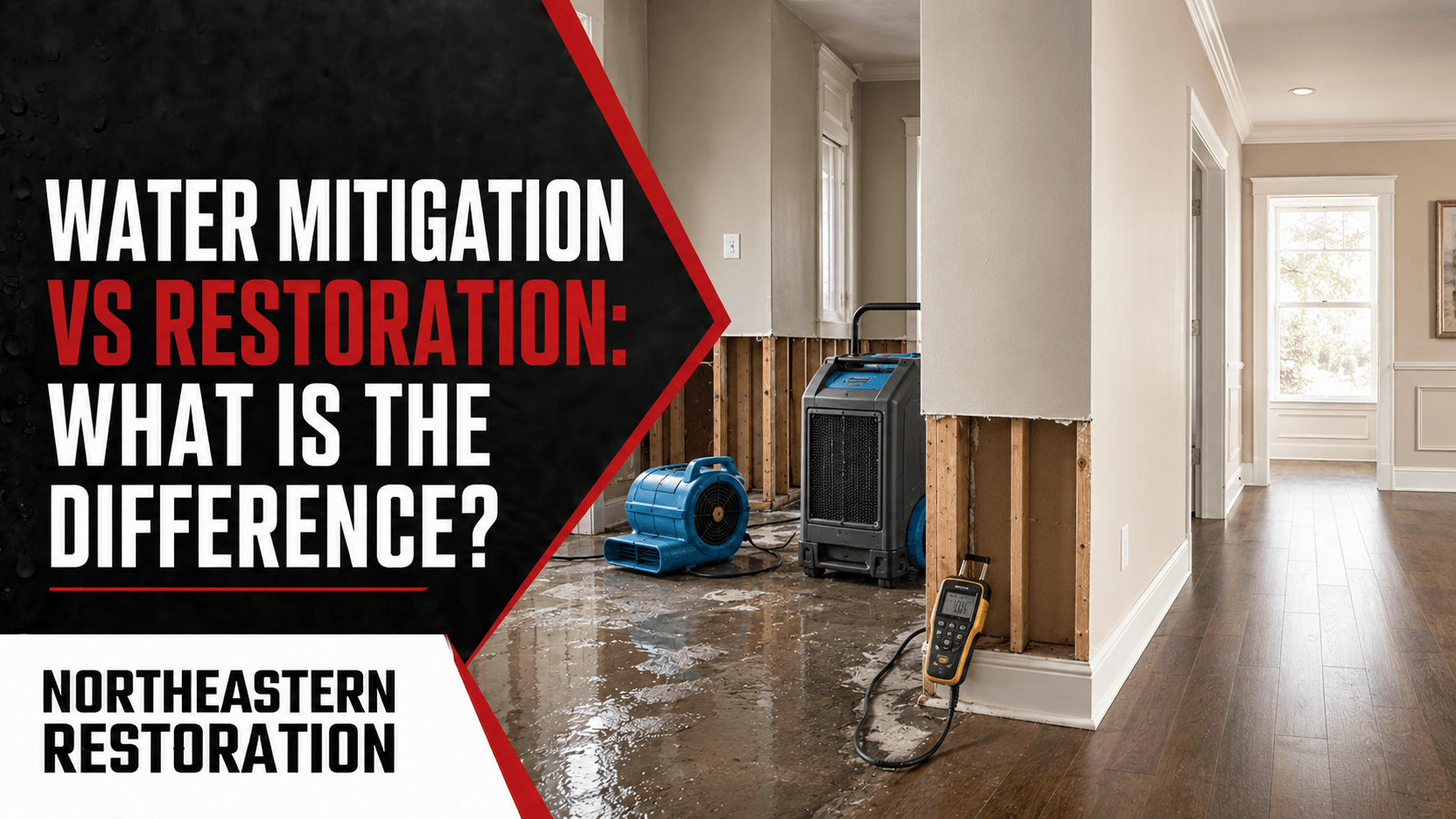
Drywall that has absorbed water loses rigidity. Pressing gently on a wall that gives under pressure is a strong indicator of saturation behind the surface. Baseboards that have swollen or separated from the wall reflect water tracking down from above. Wood trim that has warped or cupped has absorbed significant moisture and should not be ignored.
Mold Visible at Wall Edges or Seams
Mold appearing at the junction between a wall and a floor, ceiling, or adjacent surface is almost always a surface expression of a much larger colony inside the wall cavity. Treat this as a symptom of a hidden moisture problem — not a surface cleaning task.
Non-Visual Signs of Hidden Water Damage You Should Not Dismiss
Not all hidden water damage announces itself visually. Some of the most reliable indicators involve smell, sound, and physical symptoms that are easy to attribute to something else.
- Persistent musty odor: Mold and mildew produce a distinctive earthy smell often detectable before any visible signs appear. If a room in your Athens, GA home smells musty after airing it out, assume moisture inside walls or ceilings until confirmed otherwise.
- Unexplained spike in your water bill: A slow pipe leak inside a wall cavity may never produce visible damage but will appear as an abnormal increase in monthly usage. Comparing consecutive billing cycles can expose a hidden wall water leak before it surfaces.
- Sounds of water movement: Dripping, rushing, or trickling sounds inside walls — especially when no fixtures are running — indicate active water movement through or behind the wall assembly. This warrants immediate professional investigation.
- Warped or spongy flooring: Floors that buckle, cup, or feel soft underfoot are absorbing moisture from below — often from a wall leak tracking down to the subfloor rather than a floor-level source.
- Worsening allergy or respiratory symptoms: Elevated mold spore counts from a hidden colony inside a wall cause respiratory irritation, persistent coughing, and allergy symptoms that worsen indoors and improve when you leave. This is a serious health signal warranting professional assessment.
How Professionals Find Hidden Water Damage in Athens, GA
When visual and non-visual signs point to a problem, professional tools locate and measure moisture without destructive investigation. Restoration professionals in Athens, Georgia use a standard diagnostic progression:
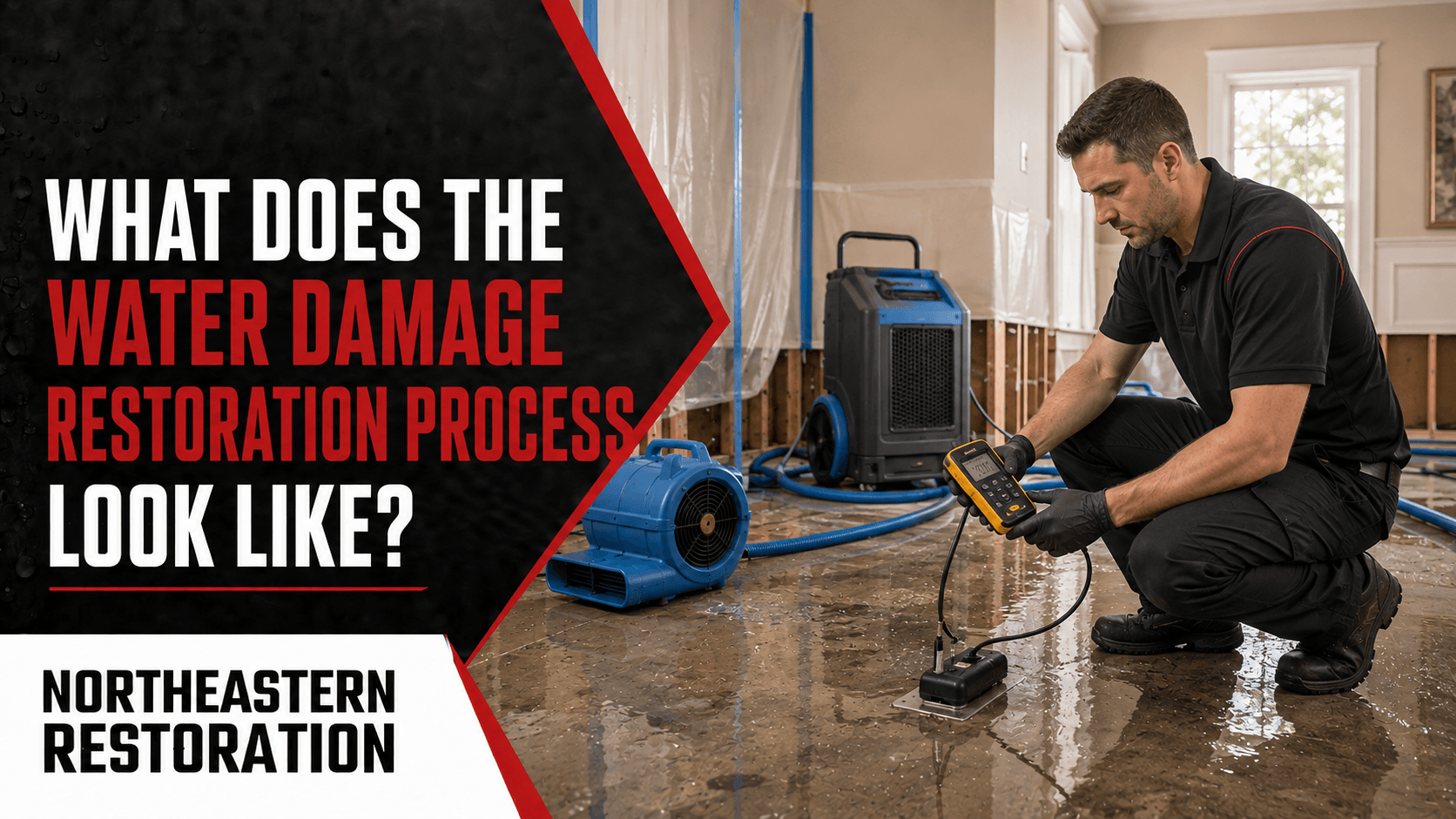
- Moisture meters: Pin-type and pinless meters measure the moisture content of wall surfaces and structural materials. Readings above threshold confirm active moisture even when the surface looks and feels completely dry.
- Thermal imaging cameras: Infrared cameras detect temperature differentials caused by evaporative cooling from wet materials behind drywall. Wet zones appear distinctly cooler than surrounding dry material — revealing hidden water damage without opening the wall.
- Borescope inspection: When meters and imaging indicate a localized problem, a small camera inserted through a minimal opening visually confirms conditions inside the wall cavity without major demolition.
- Moisture mapping: Technicians document readings at multiple points across the affected area to create a complete map of where moisture is present and how far it has traveled from the source.
- Source identification: Once moisture is confirmed and mapped, the team traces the cause — a roof penetration, supply line, or condensation point — so both the damage and its cause are addressed. Treating damage without resolving the source guarantees recurrence.
When to Stop Investigating and Call a Professional Immediately
Call a professional without delay if you can see or smell active mold — mold inside wall cavities requires containment and controlled removal, not surface cleaning. Also call immediately if staining or soft drywall appears near an electrical panel, outlet, or wiring run. Water near electrical systems creates shock and fire risk that requires professional evaluation before the wall is opened.
If signs appear in multiple locations simultaneously — staining in one room and a musty smell in an adjacent hallway — moisture has likely migrated beyond any single indicator. That warrants a full professional moisture assessment, not spot treatment. And if you have had any water event in your Athens, Georgia home recently — even one that appeared to dry out on its own — schedule a professional moisture check. Structural materials hold moisture long after surfaces feel dry.
Frequently Asked Questions About Water Damage Behind Walls
Can water damage behind walls dry out on its own?
No — water trapped inside wall cavities does not evaporate under normal household conditions. Without commercial drying equipment, moisture levels remain elevated indefinitely, continuing to degrade materials and promote mold growth.
How much does a professional moisture inspection cost in Athens, GA?
Many restoration companies in Athens, GA offer free initial moisture assessments. Formal third-party testing with a written report typically costs $200 to $500, depending on the number of areas tested and whether thermal imaging is included.
Will homeowners insurance cover water damage hidden inside walls?
Coverage depends on the source. Hidden damage from a sudden, accidental pipe failure is often covered. Damage from gradual leaks, long-term seepage, or deferred maintenance is typically excluded. An adjuster evaluates the source and timeline when assessing the claim.
Is it safe to stay home if there is mold inside the walls?
It depends on the mold type, extent, and the health of your household members. Individuals with asthma, allergies, or compromised immune systems are at greatest risk. A professional air quality test can determine whether temporary relocation is advisable during remediation.
How long can water sit inside a wall before causing serious structural damage?
Structural materials begin degrading within hours of sustained water contact. Mold colonization can start within 24 to 48 hours. Significant structural damage and deep mold infiltration develop within one to two weeks. Every day of delay increases both health risk and remediation cost.
Detecting Water Damage Behind Walls Before It Becomes a Major Problem
Hidden water damage is almost always more expensive the longer it goes undetected. The seven warning signs in this guide are your early detection system — knowing how to read them is the difference between a straightforward drying job and full wall demolition and mold remediation.
If you notice any of these signs in your Athens, GA home, Northeastern Restoration offers free professional moisture assessments and 24/7 emergency response. Our team uses thermal imaging and calibrated moisture mapping to locate hidden wall water damage quickly and accurately. Call us at
(678) 235-9436 to schedule your inspection.