What Are the Hidden Dangers of Sewage Backup at Home?
Sewage Backup Introduces Five Serious Health Hazards Beyond Water Damage
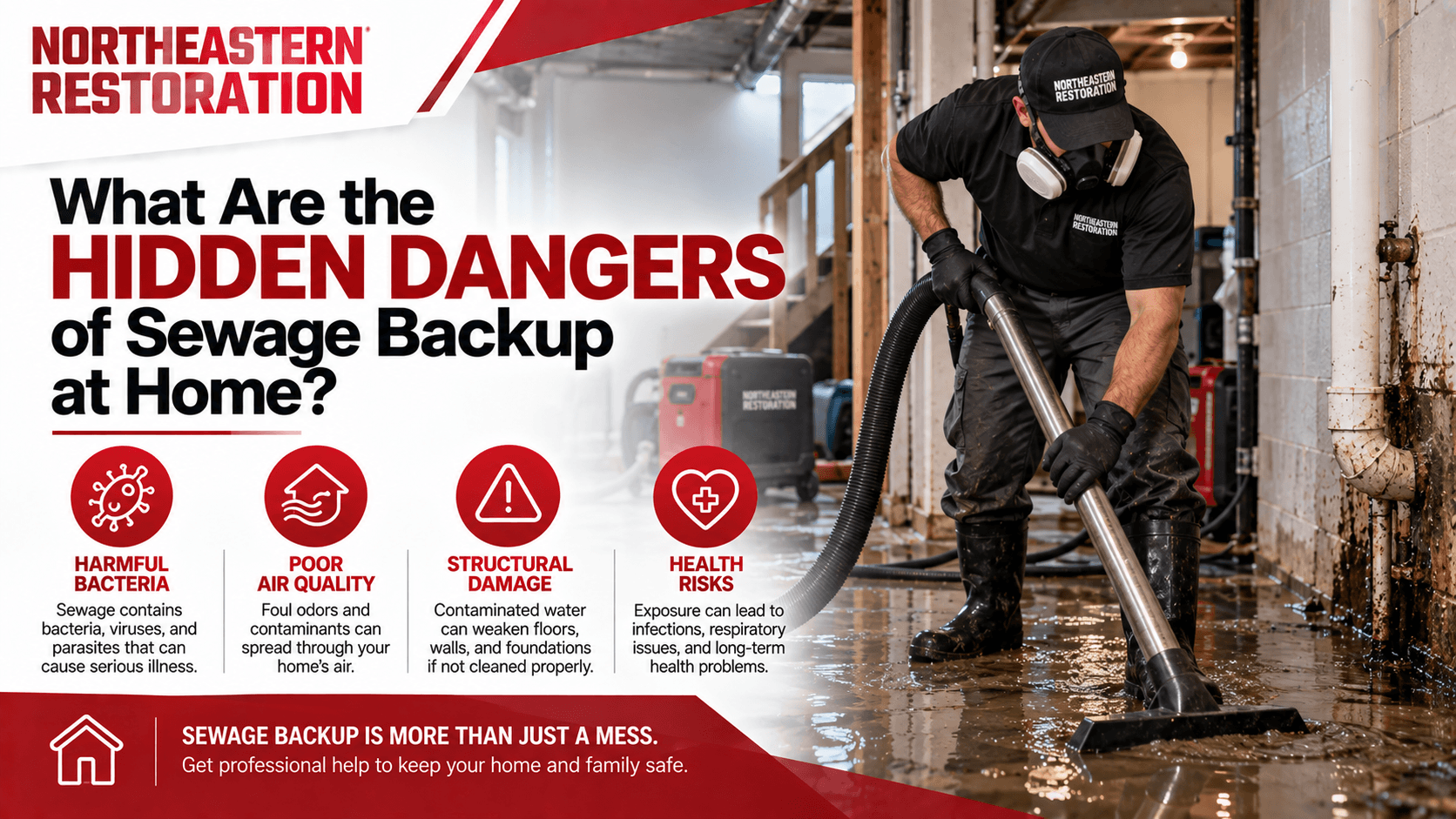
The hidden dangers of sewage backup are pathogenic bacteria (E. coli, Salmonella, Shigella), viruses (Hepatitis A, norovirus), parasites (Giardia, Cryptosporidium), toxic gases (hydrogen sulfide, methane, ammonia), and rapidly accelerating mold growth. Sewage backup is classified as Category 3 black water — the highest hazard level in water damage restoration — because of the range and concentration of agents it contains. For homeowners in Athens, GA, this is not a cleanup job that can be managed with rubber gloves and a mop. It is a biohazard remediation event that requires professional equipment, containment, and disposal protocols.
The Five Health Hazards Inside Sewage Backup
Each of these hazards operates differently, and all of them are present in raw sewage. Understanding what they are and how they cause harm clarifies why the standard for sewage remediation is categorically stricter than for clean or gray water events.
1. Pathogenic Bacteria
Raw sewage contains high concentrations of fecal coliform bacteria including E. coli, Salmonella, Shigella, and Campylobacter. These cause severe gastrointestinal illness and can trigger systemic infection if they enter the bloodstream through skin contact with open wounds. In the warm conditions typical of an Athens, Georgia home, bacterial growth in sewage-contaminated materials accelerates rapidly after the initial event.
2. Viruses
Hepatitis A and norovirus are among the pathogens commonly present in raw sewage. Both are stable in the environment for extended periods and require only a small exposure dose to cause infection. They can be transmitted through direct surface contact and through aerosols created when sewage water is disturbed — which is exactly what happens when homeowners attempt cleanup without professional containment equipment.
3. Parasites
Giardia and Cryptosporidium are intestinal parasites present in sewage that cause severe gastrointestinal illness. Both are resistant to standard household disinfectants and require specific EPA-registered treatment protocols to eliminate from contaminated surfaces and building materials.
4. Toxic Gases
Decomposing sewage produces hydrogen sulfide, methane, and ammonia. In enclosed spaces — particularly basements and crawl spaces where sewage events frequently occur — these gases can reach concentrations that cause respiratory distress and disorientation. Ventilate the space before entering, and do not enter enclosed sewage-affected areas without professional guidance.
5. Mold
The organic content and sustained moisture of a sewage event creates rapidly accelerating mold growth — faster than clean water events of comparable size. In Athens, GA, where warm temperatures and high ambient humidity already favor mold development, a sewage event not professionally remediated within 24 to 48 hours almost guarantees significant mold colonization in all affected materials.
Additional Physical Hazards Homeowners Often Underestimate
Beyond the biological agents in the sewage itself, the conditions a backup event creates introduce several further dangers that are not always immediately apparent:
- Electrical hazard: Sewage backup frequently enters areas near electrical panels, outlets, appliances, and wiring. Energized systems in contact with sewage water create serious shock risk. Do not enter a sewage-flooded area without confirming power to the affected circuit has been shut off at the panel.
- Accelerated structural deterioration: The organic content and chemical properties of sewage are more corrosive to building materials than clean water. Extended contact with drywall, wood framing, and concrete causes deterioration at a faster rate than equivalent clean water exposure.
- Contamination spread through foot traffic: Walking through a sewage-affected area without protective equipment tracks contamination throughout the home, dramatically expanding the remediation zone beyond the original backup area.
- Aerosol exposure during any cleanup attempt: Cleaning, mopping, or using fans in a sewage-affected area without containment creates aerosols that carry pathogens directly into the respiratory tract. Professional remediators use full PPE and controlled ventilation to prevent this.
- Psychological impact: Sewage backup events are among the most distressing water damage scenarios homeowners face. The combination of odor, biological contamination, and home disruption creates significant stress. Professional remediation that resolves the situation completely and quickly is itself part of the recovery.
Why DIY Sewage Cleanup Is Especially Dangerous in Athens, GA
For standard water events, a motivated homeowner can sometimes manage limited cleanup while waiting for professionals. Sewage backup does not allow for that approach. The hazard level of black water and the specific requirements for safe handling, containment, and disposal make DIY sewage cleanup genuinely dangerous in ways that are not manageable without professional training, equipment, and protective gear.
Professional sewage remediators work in full protective equipment: Tyvek suits, respirators rated for biological hazards, chemical-resistant gloves, and sealed eye protection. They establish containment before beginning any work to prevent cross-contamination. They use industrial extraction equipment that removes sewage without creating aerosol dispersal. And they dispose of all contaminated materials following biohazard protocols that are legally required in most jurisdictions.
A homeowner with rubber gloves and a mop is not equipped to safely manage any of these requirements. Beyond the direct health risk, inadequate remediation leaves pathogen-contaminated residue in drywall, subfloors, and wall cavities — continuing to pose health risks to occupants and accelerating structural deterioration long after the visible contamination appears resolved. In Athens, Georgia, where warm conditions accelerate biological activity, the margin for incomplete cleanup is essentially zero.
What Professional Sewage Backup Remediation Involves
Professional remediation of a sewage backup follows a strict sequence designed to eliminate all biological hazards before reconstruction materials are installed. The process is more involved than standard water damage restoration because of the contamination requirements at each stage:
- Hazard assessment and PPE deployment. The team evaluates the extent of the backup, identifies electrical hazards, and deploys full personal protective equipment and containment before any work begins.
- Source identification and stoppage. The cause — a blocked main line, failed sump pump, or municipal sewer event — is identified and stopped before extraction begins. Active backup cannot be safely remediated.
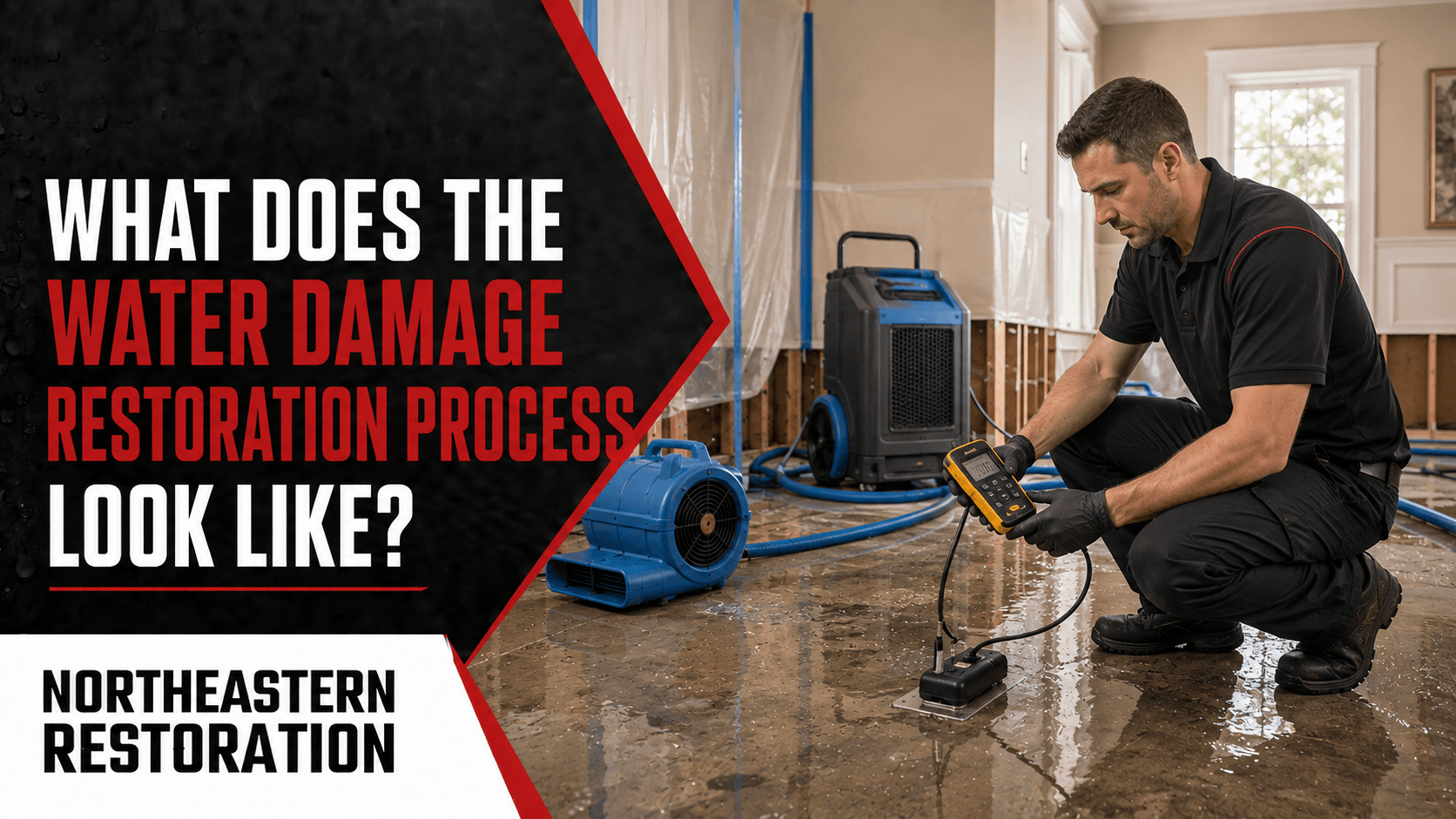
- Sewage extraction. Industrial extraction equipment removes sewage and contaminated standing water without creating dangerous aerosols during operation.
- Contaminated material removal. All porous materials in contact with sewage — drywall, insulation, carpet, padding, and affected wood — are removed and disposed of as biohazardous waste. These materials cannot be decontaminated and must be replaced.
- Structural surface decontamination. All remaining structural surfaces receive treatment with EPA-registered disinfectants rated for Category 3 water events. Standard household disinfectants are not adequate for this application.
- Drying and air scrubbing. Commercial drying equipment runs until structural materials reach dry standard. HEPA air scrubbers manage air quality throughout the drying phase.
- Post-remediation verification. Testing confirms the elimination of biological contamination before any reconstruction materials are installed. This clearance step makes the outcome verifiable.
Frequently Asked Questions About Sewage Backup Dangers and Cleanup
Does homeowners insurance cover sewage backup cleanup?
No — not under a standard policy. Sewage backup coverage requires a specific sewer backup endorsement added to your homeowners policy. Without it, sewage events are typically excluded. In Athens, GA, where older sewer infrastructure exists in some neighborhoods, this endorsement is worth adding for a modest annual premium increase.
How long can I wait before calling a professional after sewage backup?
You should not wait at all. Category 3 black water contamination begins penetrating porous materials immediately, biological activity accelerates with warmth, and mold colonization can begin within 24 hours. Every hour of delay increases both health risk and remediation scope.
Can sewage odor be permanently eliminated after a backup event?
Yes — if the remediation is complete. Persistent sewage odor after a cleanup reliably indicates contaminated material remains in place. Professional remediation that removes all porous contaminated materials and decontaminates structural surfaces eliminates the odor source permanently.
What causes sewage backup in residential homes?
The most common causes are blockages from grease buildup, tree root intrusion, collapsed pipe sections, or foreign objects in the main sewer line. Heavy rain events can also cause municipal systems to back up into residential lateral lines. In Athens, GA homes with older plumbing, pipe deterioration is another contributing factor.
Are any of my belongings salvageable after a sewage backup?
Non-porous items — sealed plastics, glass, and metal — can typically be decontaminated and salvaged. Porous items — upholstered furniture, clothing, books, and unsealed wood — that had direct sewage contact generally cannot be safely cleaned to a standard that eliminates biological hazard and are typically replaced through contents coverage.
Sewage Backup Is a Biohazard Event — Treat It Accordingly
The hidden dangers of sewage backup go far beyond water damage. The health hazards it introduces, the materials it contaminates, and the protocols required to safely eliminate those hazards place it outside what any homeowner can manage without professional help, protective equipment, and proper containment.
Northeastern Restoration provides professional sewage backup cleanup and biohazard remediation throughout Athens, GA and surrounding counties, with 24/7 emergency response. Our team arrives in full PPE, establishes proper containment, and completes all phases of remediation to ensure your home is genuinely safe. Call us at
(678) 235-9436 immediately if you are dealing with a sewage backup.