Steps to Take After a Fire Damage Incident
House Fire Damage: What to Do After the Flames Are Extinguished
House fire damage can be a catastrophic event, leaving a wake of smoke damage and a severely damaged house behind. The immediate aftermath can be overwhelming as you navigate through the prospect of fire-damaged houses and the daunting restoration process. Taking swift action is crucial to mitigate the extent of the damage. This article provides a comprehensive guide on immediate steps to take after a fire incident, from assessing the extent of fire damage and seeking professional help to restoring your fire-damaged house.
Step 1: Contact Professionals
Immediately after a fire, it is imperative to reach out to professionals. Firefighters are the first to be contacted to ensure the flames are completely extinguished and there is no lingering risk. Following this, getting in touch with insurance adjusters becomes crucial. They assess the extent of fire and smoke damage, help in filing claims, and ensure you get the entitled coverage to offset the cost of restoring your fire-damaged house.
Moreover, hiring a restoration company like North Eastern Restoration is equally fundamental. These experts provide a comprehensive solution, starting from securing the property, cleaning up debris, and eliminating smoke odor to repairing and restoring your damaged house. Timeliness is key; the sooner they start, the less likely secondary damages like mold or mildew growth will occur.
When choosing professionals, consider their experience, certifications, and customer reviews. Reputable companies typically offer 24/7 emergency services and are prompt in their response. They also have a team of highly trained professionals and use advanced equipment and techniques to restore fire-damaged houses effectively.
Engaging professionals immediately after a fire incident is an essential step in swiftly and effectively restoring your home. So, plan ahead and keep the contact details of these professionals readily available because every moment counts when
mitigating fire damage.
Step 2: Assess the Damage
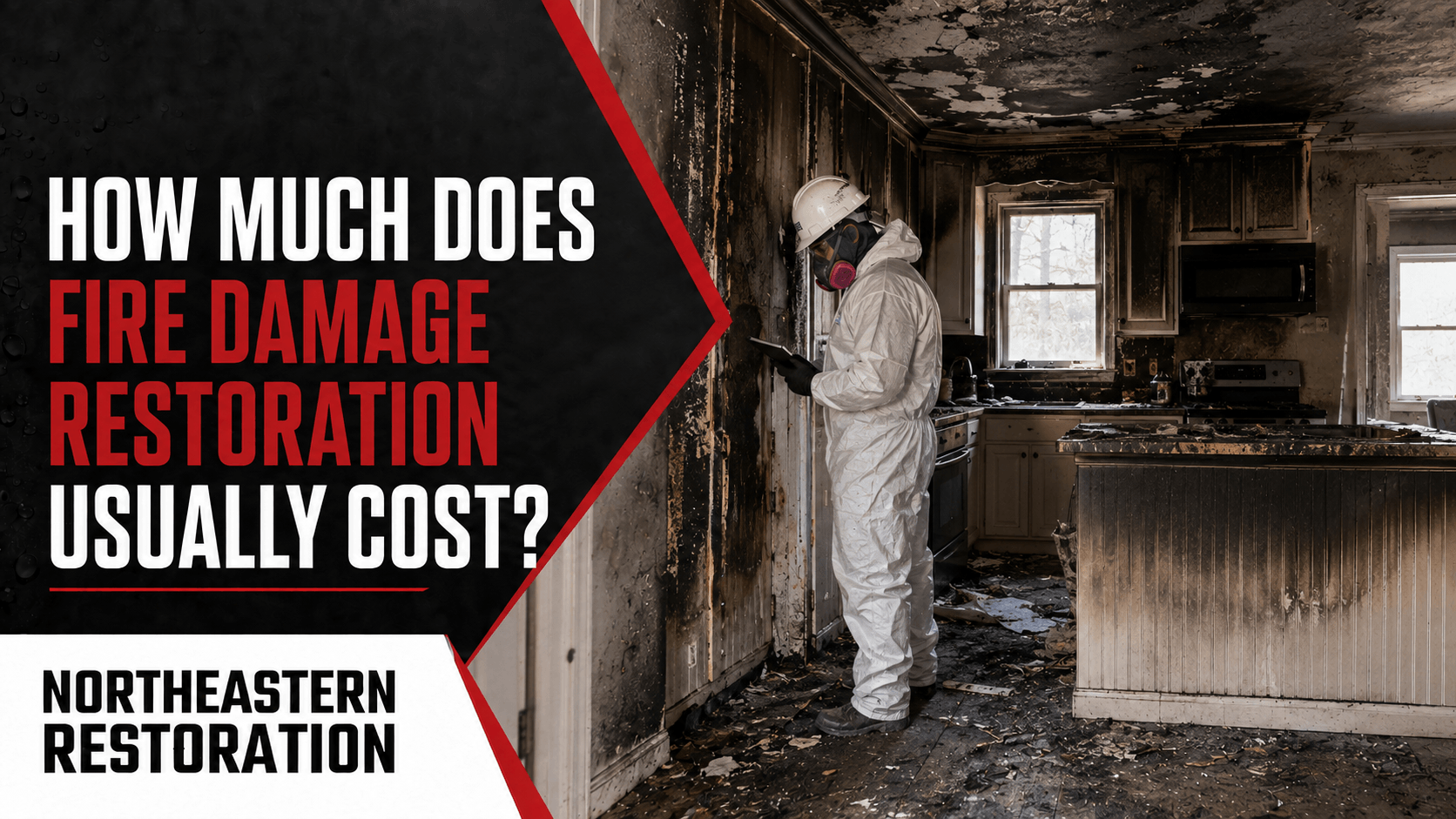
Assessing the extent of damage is a crucial initial step before embarking on any restoration work. This assessment provides an accurate depiction of the damage, informs the scope of repair, and helps develop a plan of action. Professionals from restoration companies, like North Eastern Restoration, employ specialized tools and techniques to conduct a thorough and meticulous evaluation. They may use infrared cameras to detect hidden water damage, borescopes to view areas that are hard to access, or hydrometers to measure the moisture content in various materials, among other specialized equipment.
This comprehensive damage assessment not only accounts for the obvious signs of fire damage but also identifies the subtle yet significant issues like structural damage and smoke damage. Structural damage, for instance, may not be immediately visible but could pose grave safety risks if undetected. Smoke damage, on the other hand, could permeate walls, ceilings, and other materials, leading to persistent foul odors, discoloration, and corrosion if not promptly and adequately addressed. The corrosive residue left by smoke could also lead to electrical malfunctions, posing additional hazards.
In essence, a meticulous assessment of the damage enables professionals to strategize a restoration plan that ensures every corner of the fire-damaged house is safe, clean, and fully restored to its pre-fire condition.
Step 3: Secure the Property
Securing the property after a house fire is paramount to prevent further damage and protect the site from theft or vandalism. Often, in the aftermath of a fire, windows, doors, and other structural elements may be left compromised, leaving the property exposed to weather elements and unauthorized entry. Quick and effective measures to secure the property can reduce the risk of further damage and maintain its integrity.
Professionals from restoration companies take several steps to ensure the property is adequately safeguarded. They may board up broken windows and doors and cover damaged roofs with tarps to protect the interior from weather exposure. This not only prevents elemental damage, such as water leakage or wind damage, but also deters potential intruders from accessing the premises.
In addition to boarding up, the installation of temporary fencing around the property is another effective measure undertaken. It serves as a physical barrier to deter unauthorized entry and ensure the safety of the site during the restoration process.
Other security measures could include the installation of temporary alarm systems or arranging for security patrols depending on the extent of damage and the estimated duration of the restoration work.
Securing the property is an essential step in the restoration process. It provides an additional layer of protection, ensuring that the fire-damaged house remains safe and secure while restoration work is in progress.
Step 4: Water Extraction and Drying
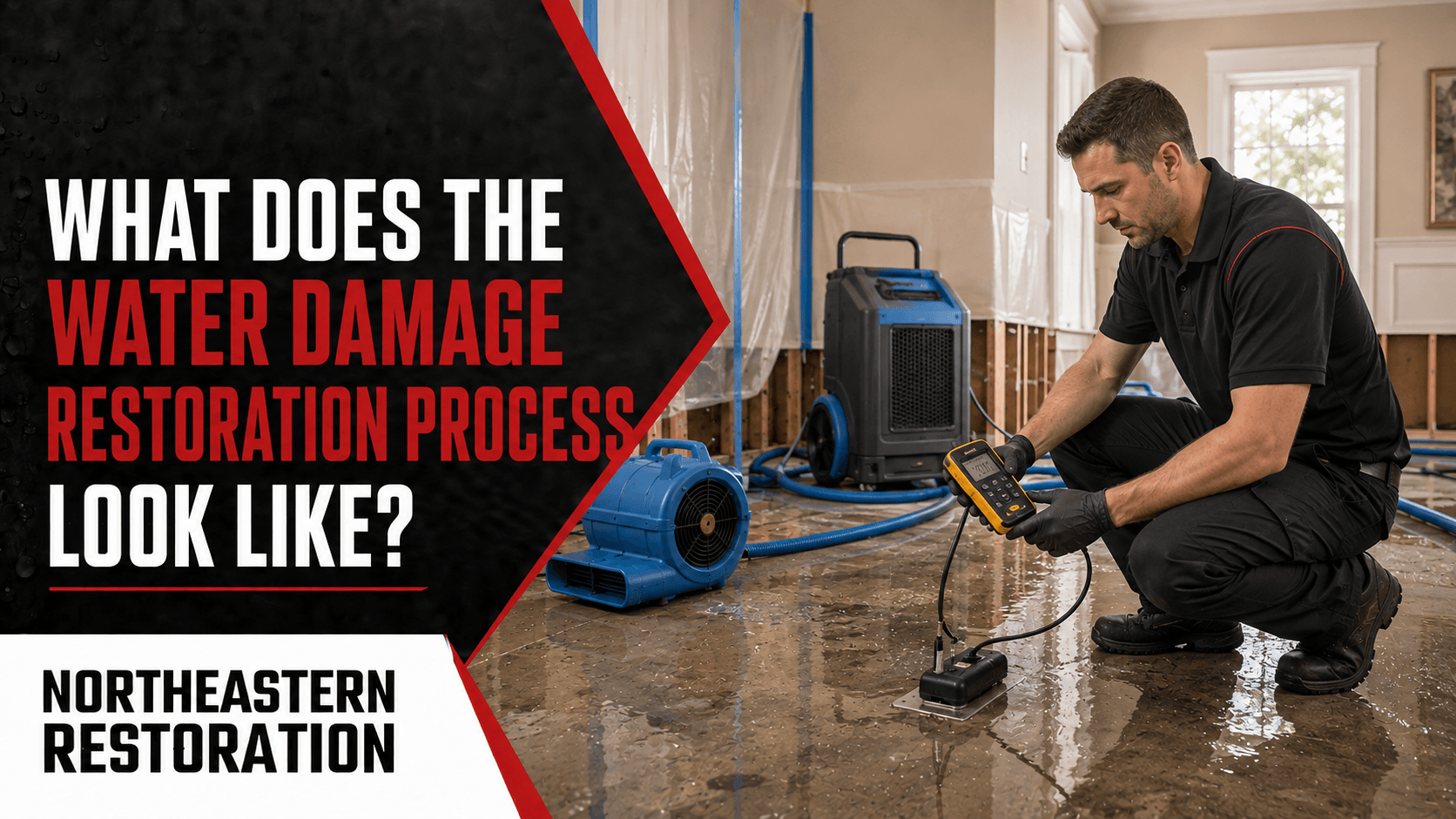
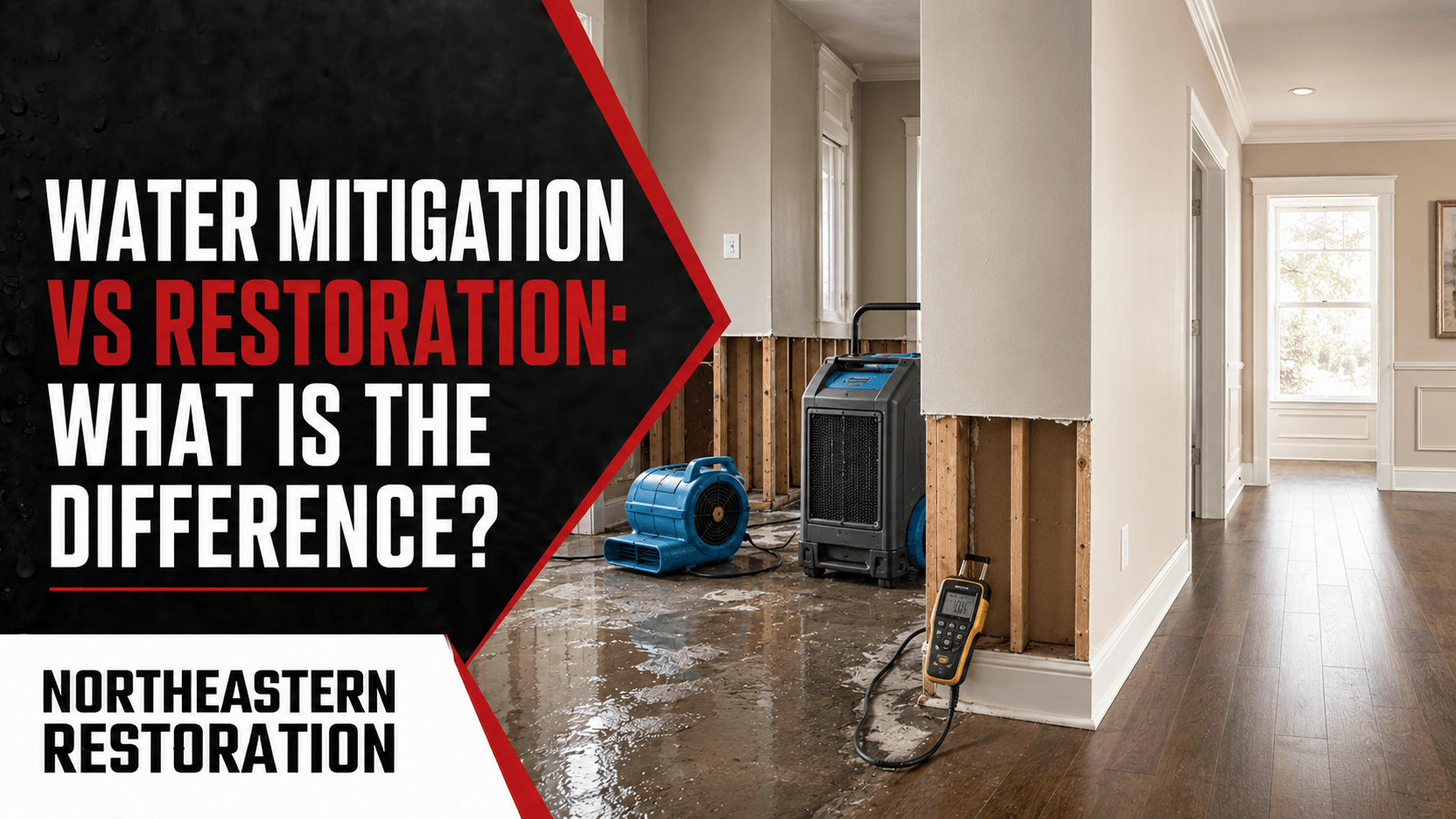
Water extraction and drying are crucial steps to handle post-fire situations, particularly when firefighting efforts leave behind significant water accumulation. Professionals typically employ industrial-grade pumps and vacuums to swiftly remove large quantities of water. These high-capacity machines are adept at extracting water from all areas, including hard-to-reach spaces, ensuring a thorough cleanup.
Once the bulk of the water is removed, the area is dried out using specialized equipment like air movers and dehumidifiers. Air movers promote rapid evaporation by circulating air, while
dehumidifiers pull moisture from the air, facilitating effective drying and preventing mold growth.
Homeowners can complement these professional efforts by assisting in the drying process. Simple measures such as opening windows and doors can enhance ventilation, promoting faster drying. Utilizing household fans, if safe to use, can also expedite the drying process by circulating air around the damp area.
It's important to remember that while these homeowner tips are useful, they cannot substitute the efficacy of professional water extraction and drying processes. The equipment used by restoration companies like North Eastern Restoration is specifically designed for such tasks and ensures a comprehensive, deep, and fast-drying result, minimizing the risk of residual moisture and subsequent complications like mold or mildew. Water extraction and drying are pivotal in the restoration process, setting the stage for cleaning, repairing, and restoring the fire-damaged house.
Step 5: Cleaning and Sanitizing
Cleaning and sanitizing the affected areas are pivotal steps in restoring a fire-damaged house. Neglecting this can lead to the growth of mold and other harmful microorganisms, posing significant health risks to occupants. Once the area is dried, professionals meticulously clean and sanitize the space using specialized cleaning agents and technologies.
Efficient cleaning involves two primary components: removing debris and sanitizing the area. Debris removal often involves using brooms, dustpans, vacuum cleaners, and other tools to physically remove fire residues. Following debris removal, professionals use a variety of cleaning agents, each designed to treat specific types of smoke and soot damage. Some cleaning solutions are tailored to penetrate and neutralize smoke odors, while others are designed to break down soot and facilitate its removal.
Sanitizing, on the other hand, involves using antibacterial and antimicrobial treatments to disinfect the area. This process eliminates potentially harmful microorganisms, ensuring the environment is safe for occupancy.
In addition, professionals take steps to prevent cross-contamination and safeguard the health of occupants. For instance, they might set up containment zones during cleaning, using barriers and negative air pressure to prevent the spread of soot, mold spores, and other contaminants to unaffected parts of the home.
Overall, cleaning and sanitizing are crucial in restoring a fire-damaged house. Proper execution of these steps ensures the home is not only clean but safe and healthy for its occupants.
Step 6: Restoration and Repairs
The process of restoring and repairing fire-damaged houses focuses on returning the property to its original condition. This often involves replacing damaged materials and refinishing surfaces affected by fire or smoke damage. Heavily damaged elements like drywall, flooring, or cabinetry may need to be completely removed and replaced. Lightly affected surfaces may benefit from professional cleaning, painting, or refinishing, which can effectively remove soot and smoke residues while revitalizing the appearance of the space.
Working with professionals is crucial during this phase, as they have the expertise to handle these tasks safely and effectively. They can identify the severity of fire damage and formulate an optimal restoration strategy. Furthermore, professionals can guide homeowners in selecting appropriate materials and finishes, keeping in mind the original aesthetics of the house, the homeowner's preferences, and budget considerations.
Professionals ensure the restoration process is thorough and meticulous, addressing all facets of fire damage - from structural integrity to the minutest cosmetic details. They work closely with homeowners, ensuring their needs and expectations are met and that the final result is a safe, comfortable, and aesthetically pleasing living space. This collaborative process between professionals and homeowners is key to reviving fire-damaged houses, ultimately transforming a daunting scenario into a successfully restored home.
Step 7: Communicate with the Insurance Company
Communicating with your insurance company is a critical part of the restoration process of fire-damaged houses. As early as possible, establish contact with your insurance company to begin the claims process. Insurance adjusters play a vital role here, working closely with you to assess the extent of the fire and smoke damage and estimate the cost of restoration. They ensure the restoration work aligns with the provisions of your policy, aiding in maximizing your claim.
To facilitate this process, keep an open line of communication with your adjuster. Regularly update them about the ongoing restoration work and any new damage discovered. Documentation is key in these interactions. Take detailed photographs of the damaged property before and after restoration, and maintain an itemized list of damaged goods along with their estimated value.
Remember to review your policy carefully and clarify any doubts with your adjuster. Understanding the specifics of your policy, such as what kind of damage is covered and any limits on the amount of coverage, can prevent unpleasant surprises down the line.
Working with your insurance company rather than against them can make a significant difference in the restoration process. Open communication, thorough documentation, and a clear understanding of your policy are essential to ensuring a smooth journey toward restoring your fire-damaged house.
Professional Help From North Eastern Restoration
When faced with the aftermath of a house fire, you need a team that can restore not just your home but also your peace of mind. At
North Eastern Restoration, we specialize in recognizing and addressing all facets of
fire and smoke damage. Our highly trained team employs industry-leading techniques and equipment to ensure your home is safely and thoroughly restored. From initial cleanup to final repairs, we handle everything with professionalism and sensitivity, always keeping your needs and concerns at the forefront. Additionally, our experts guide you through the insurance process, helping you navigate the complexities and maximizing your claim. Your home's recovery from fire damage is our priority, and we're committed to restoring your home to its pre-fire condition or better. Contact us today and let North Eastern Restoration turn your fire-damaged house back into a home.