Mold Remediation Explained: Process, Benefits, and What to Expect
How Does Mold Remediation Work? A Comprehensive Guide to Its Benefits
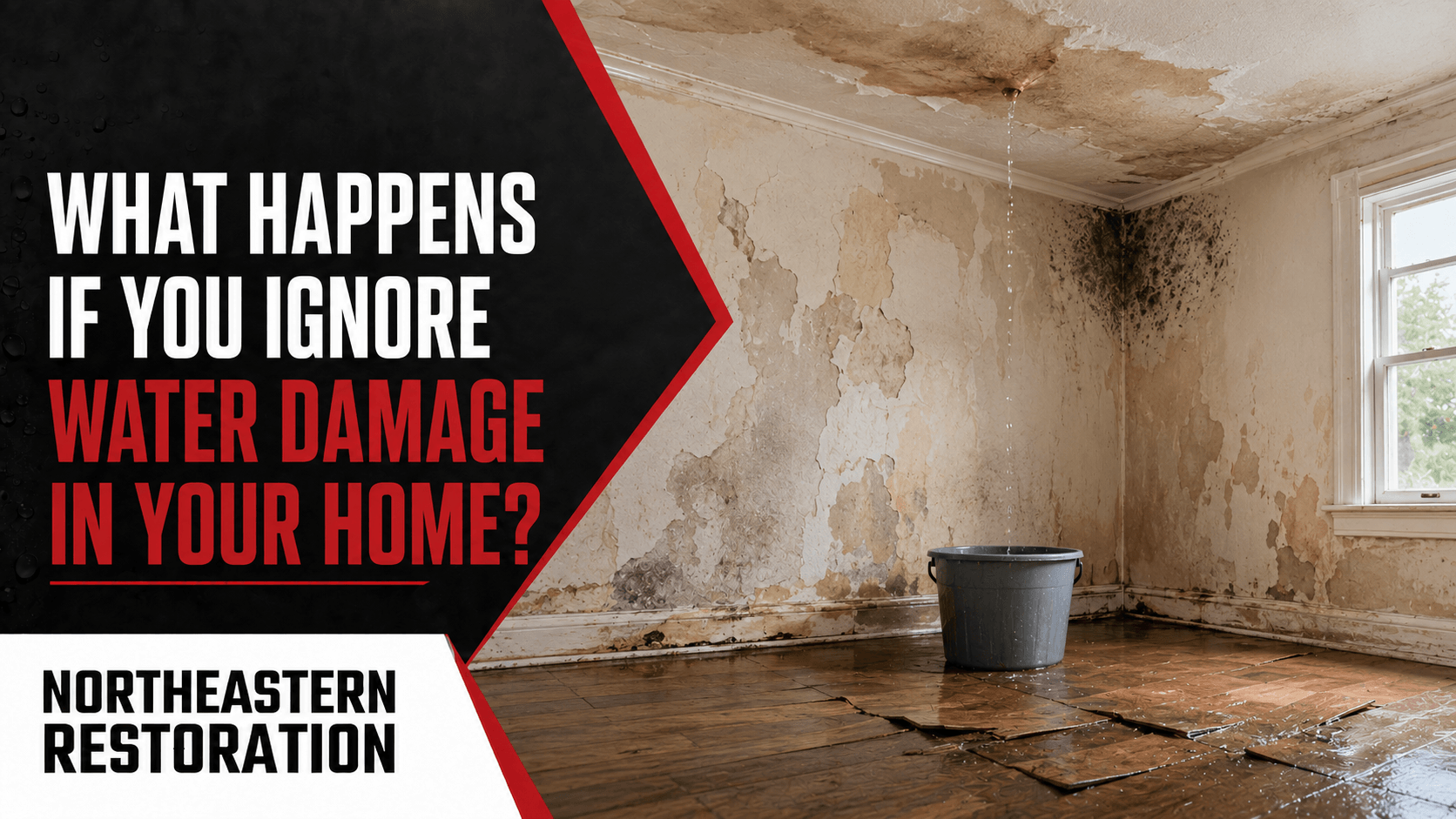
Mold remediation is an important process for ensuring the health and safety of your home or business. It involves identifying, removing, and controlling any existing mold growth in order to prevent further damage and contamination. When done correctly, mold remediation can help protect you, your family, or employees from dangerous molds that can cause allergic reactions, respiratory problems, asthma attacks, and other health issues.
Mold remediation is especially important in areas prone to moisture, such as bathrooms, basements, and attics where there may be high levels of humidity. Properly identifying and addressing any existing mold growth is the key to keeping your home or business safe from harmful molds.
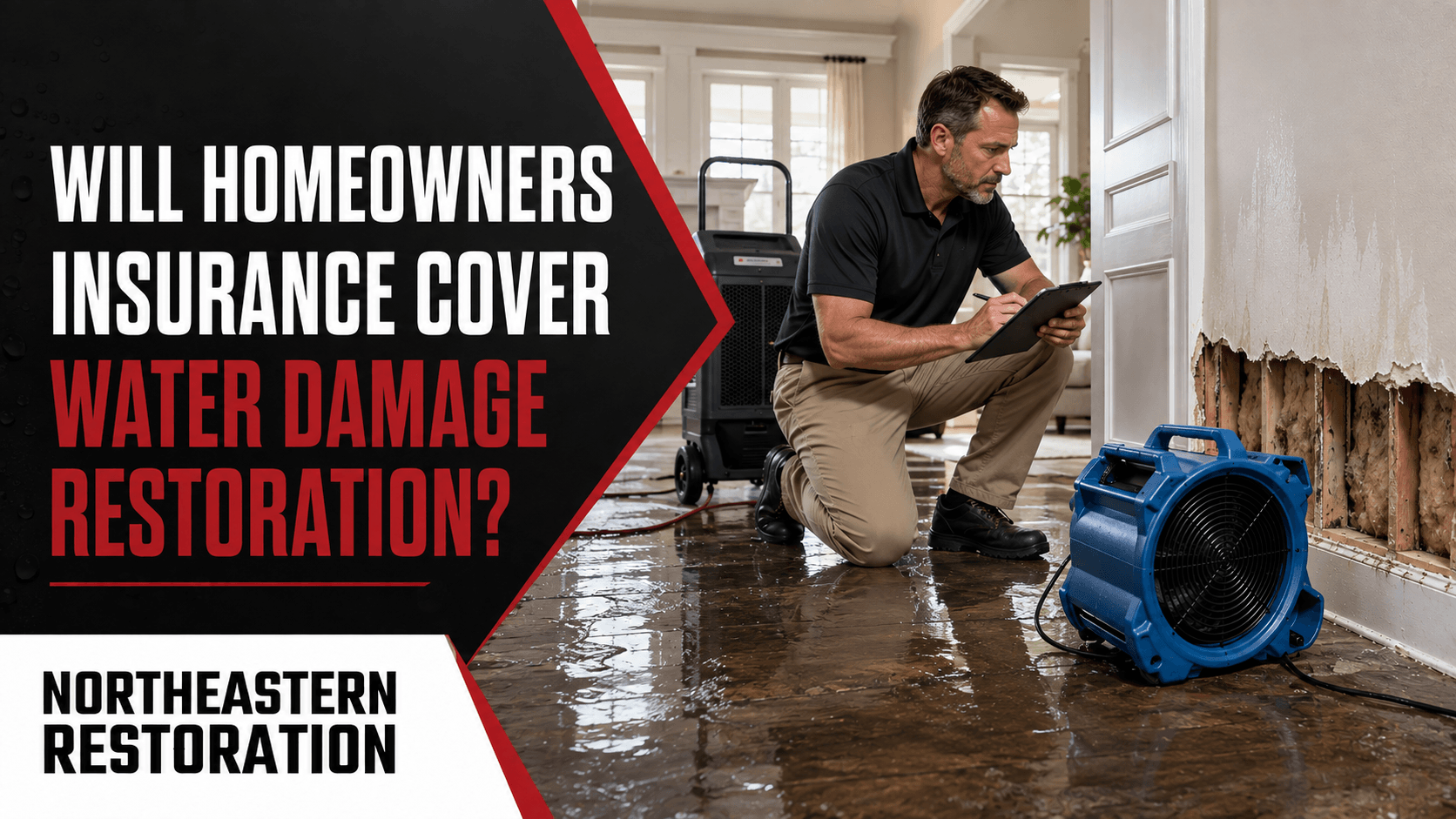
Let's discuss the benefits of professional mold remediation. Professionals are experienced in identifying and eliminating contaminated surfaces as well as preventing further contamination from occurring. They can also help you identify potential sources of moisture that could be causing the problem in the first place. Professional mold remediation workers use special equipment and techniques to remove existing mold growth, as well as any contaminated materials that may have been exposed to the mold.
In this article, we will discuss the benefits of mold remediation, what it involves, and how to go about remedying any existing mold growth.
What is Mold Remediation?
Mold remediation is an important and often overlooked step in maintaining a safe and healthy home or building. It involves removing, cleaning, and sanitizing surfaces that are affected by mold growth. In some cases, it may also involve repairing structural damage caused by persistent mold growth.
Identifying and addressing mold in the interior of your home or building is essential for protecting the health of those living or working there. Mold can cause a variety of serious health problems, including respiratory issues, skin irritation, and eye infections. Prolonged exposure to mold spores can lead to even more severe health risks, such as neurological damage, organ failure, and even death in some cases.
Mold remediation is the only way to safely remove mold from the premises and prevent it from returning. Professional remediation specialists are trained to identify areas where mold may be present, assess the extent of any damage, and take appropriate steps to contain and eliminate it. They use specialized equipment such as air scrubbers and HEPA filters to ensure complete removal from the affected area. Not only do they help control the spread of existing mold, but they also help to prevent future growth.
Protecting your home or building from mold should be a priority for all homeowners and business owners. Taking proactive steps to identify and address any potential mold issues can help protect your family or employees from potentially serious health risks associated with exposure to mold spores.
The Mold Remediation Process
How does mold remediation work? Mold remediation is a process that seeks to identify, contain, and remove mold growth from indoor environments. It is important to take the necessary steps as soon as possible to prevent further damage caused by the mold.
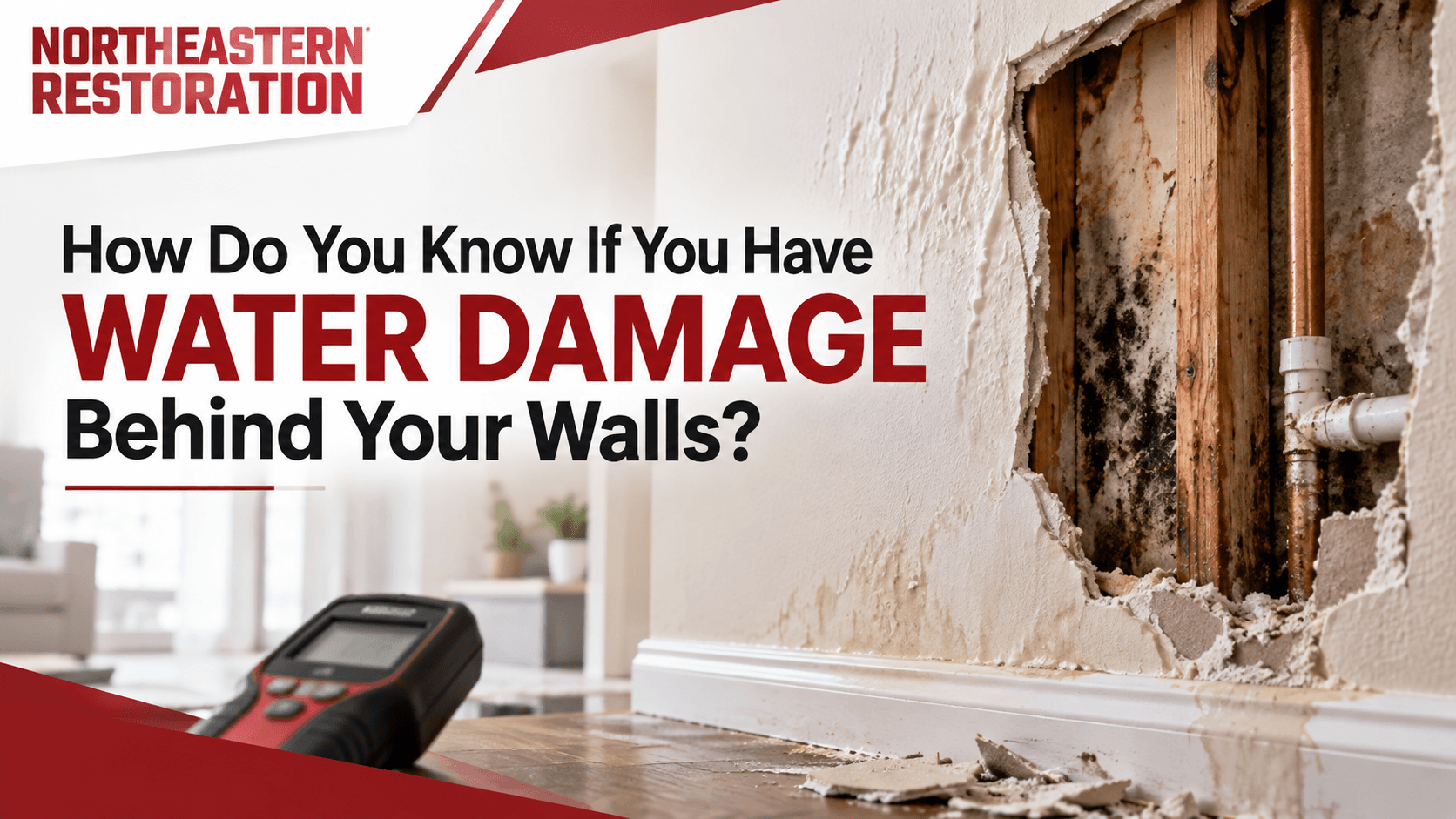
The first step of the mold remediation process is identifying the source of the mold growth. This could be due to water damage, high humidity levels, or other conditions that create a suitable environment for mold to develop. Inspecting the property can help in identifying the source and extent of contamination.
Once the cause and source of the mold have been identified, it is important to contain the affected area to prevent cross-contamination. This may involve sealing off doorways or other access points with plastic sheeting, cutting off airflow, and running air scrubbers.
HEPA vacuums can also be used to remove any mold spores that may have circulated in the surrounding area.
The final step of the process is removing the mold, which may involve using antimicrobial solutions such as bleach or other specialist cleaning products. It is important to take care when using these solutions and ensure they are fully removed and cleaned up before restoring the area.
Once the mold has been removed, it is important to restore the area to its pre-mold condition. This may involve repairing any structural damage caused by the mold growth, as well as replacing any porous materials that could not be sufficiently decontaminated.
It is also advisable to monitor the affected area and take regular readings to ensure that there are no further signs of mold growth.
By following the necessary steps and using the right tools, you can successfully carry out a safe and effective mold remediation process.
Benefits of Mold Remediation
Mold remediation can be an invaluable tool to protect your home and family from the health risks associated with mold. Not only does it eliminate any existing mold, but it also helps prevent future mold growth by removing moisture sources that can lead to contamination. Here are the benefits of mold remediation:
Prevents Health Risks
Mold remediation is a process that can help protect against the health risks associated with mold exposure. Such health risks include allergic reactions, respiratory problems, and other illnesses. Mold remediation works by removing contaminated materials from the affected area and eliminating sources of moisture. This helps prevent further growth or contamination of mold spores.
It is especially important for people with weakened immune systems or those who suffer from respiratory illnesses. By investing in a professional mold remediation service, homeowners can reduce health risks associated with exposure to mold. This proactive approach helps ensure a safer and healthier living environment for everyone.
Improves Indoor Air Quality
Molds are a common problem in indoor environments and can have serious effects on air quality. Mold spores can cause respiratory issues and allergic reactions when inhaled, making it difficult to breathe normally within the home or office. Thankfully, mold remediation can help to drastically improve indoor air quality.
Remediation services involve a professional team that inspects the property and identifies sources of mold (both visible and hidden). Once identified, they will use specialized techniques to remove the mold spores from surfaces, which keeps them from being inhaled. This process often also includes treating surfaces with antimicrobial solutions that prevent future growth.
Preserves Property Value
Mold can be a damaging occurrence in any home or property, eating away at structures and causing health issues. If not addressed properly, it can significantly reduce the value of a property and even make it uninhabitable. Professional mold remediation services are available to restore properties to their pre-damaged condition while preserving their value.
This prevents the need for costly repairs or, worse, a complete replacement of the property. Mold remediation can clean and seal areas, removing spores and their sources so that they do not reoccur. Doing this will help ensure that your property remains safe to inhabit and retains its highest market value.
Prevents Further Damage
Mold can cause serious damage to a property if it is not addressed promptly. Mold can spread and cause decay and structural damage that can be difficult and expensive to repair. Fortunately, mold remediation services are available to help prevent further damage from taking hold. These services quickly address the issue at hand so that your property is returned to its original state.
Mold remediation services can also suggest preventative measures, including proper ventilation and cleaning, so that mold issues don't arise again in the future. Investing in a quality mold remediation service is key to ensuring your property remains safe from any further damage caused by mold and mildew.
Saves Time and Money
Mold remediation is an important step in protecting your property. Ignoring signs of mold can lead to costly repairs or replacements, as well as the need for additional services. Professional mold remediation services can prevent future damage and help restore your property quickly and efficiently.
Addressing excessive moisture and mold quickly with professional services will save you both time and money in the long run. Mold remediation services such as inspection, testing, removal, and clean-up can help reduce adverse health effects and restore your property to a safe condition.
Book Mold Remediation Services Today!
Mold is a serious problem, and it's important to address the issue quickly. That's why Northeastern Restoration offers professional mold remediation services to help you get your home back in shape and feel safe again. Our team of experienced certified professionals understands the ins and outs of treating mold infestations, so they can provide a comprehensive solution tailored to your needs.
We have the skills and tools necessary to identify, evaluate, contain, and remove mold growth from any area of your home effectively and safely — no matter how large or small the problem is. Call us today!