The Process of Water Damage Restoration
The Process of Water Damage Restoration
Water damage can strike properties unexpectedly, posing immediate threats to structural integrity, personal safety, and valuable possessions. Understanding the water damage restoration process is critical for homeowners and property managers to mitigate risks effectively and restore their properties to pre-damage conditions. Common causes of water damage include natural disasters like floods and hurricanes, plumbing failures, and appliance leaks, each requiring a specific response strategy. This article will explore the steps involved in the water damage restoration process, from initial assessment to the final touches of repair, providing an authoritative guide to navigating this challenging situation with confidence and knowledge.
What is Water Damage?
Water damage is classified into three primary categories based on the source and level of contamination: clean water, gray water, and black water. Clean water originates from sanitary sources like leaks from water supply lines or rainwater infiltration and poses minimal health risks if addressed promptly. Gray water, indicating a significant level of contamination, includes discharge from appliances like washing machines or sump pump failures. Lastly, black water is the most hazardous, stemming from sewage backups or floodwaters containing pathogens that pose severe health risks. Quick response to water damage, irrespective of its category, is paramount to preventing further structural damage, mold growth, and escalating health hazards.
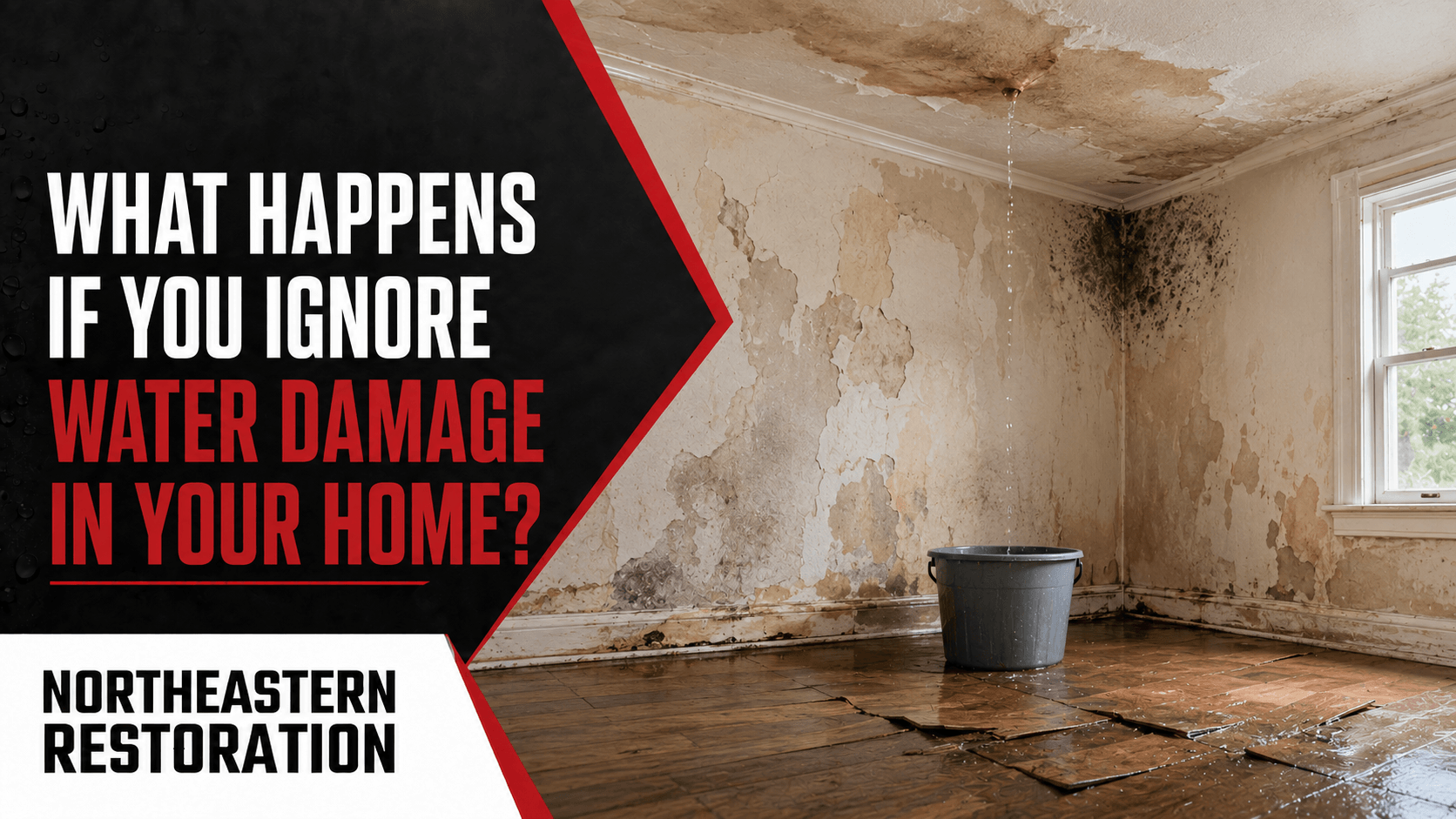
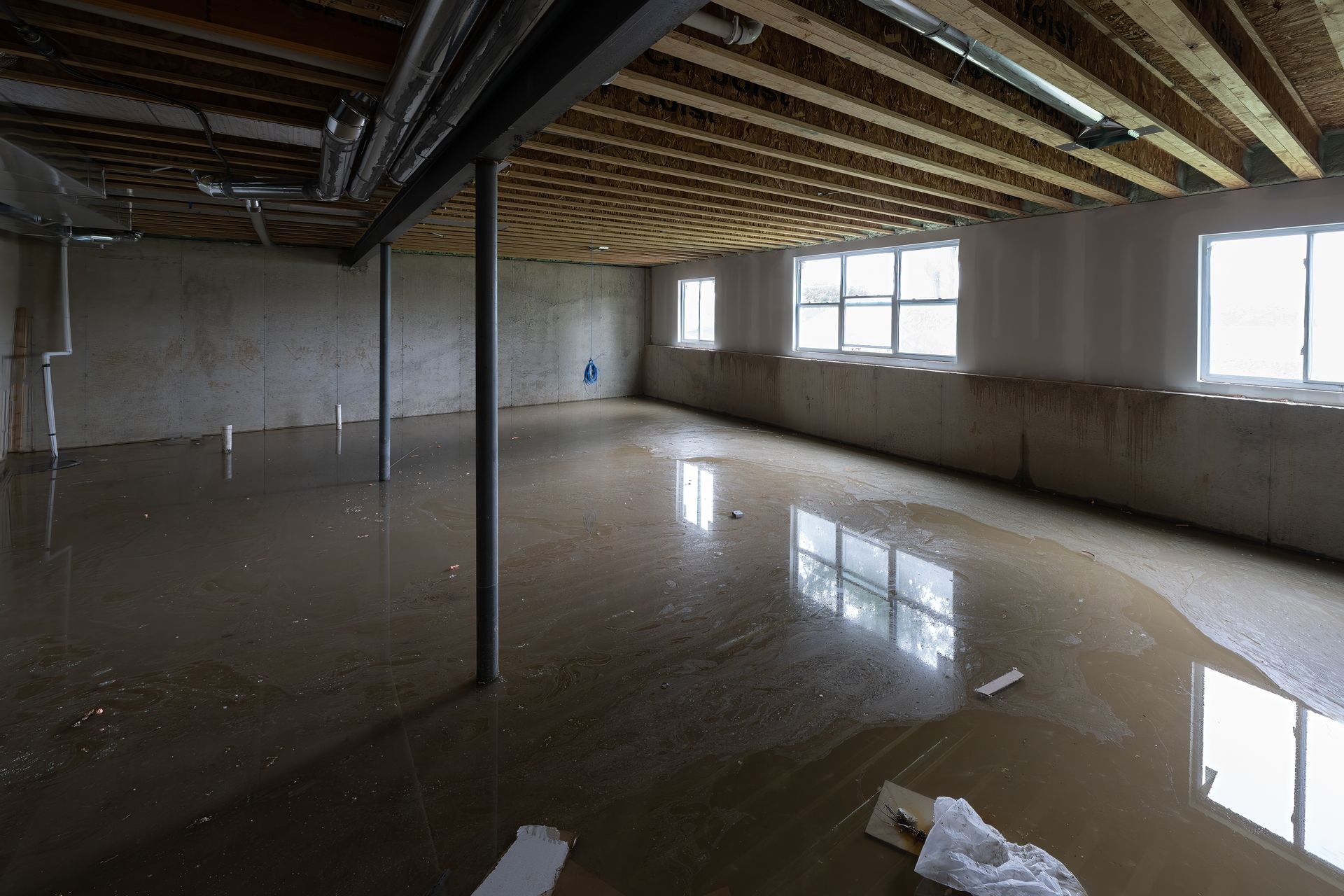
Understanding what water restoration is and its urgency is critical in mitigating the impact of water damage. Water seeps into the porous materials of a building, jeopardizing the structural integrity of wood, drywall, and insulation, and fosters the rapid growth of mold, which can develop within 24 to 48 hours. The most vulnerable areas to water damage in a home or building include basements, attics, and rooms with extensive plumbing, such as bathrooms and kitchens. Furniture, electronics, and personal possessions are also susceptible, underscoring the importance of immediate action to minimize losses and health risks associated with water damage.
Step 1: Initial Assessment and Safety Measures
The initial phase of any water damage restoration effort prioritizes safety to prevent potential hazards. Turning off the electricity to the affected areas—before entering or inspecting the premises—is crucial to avoid electric shock. Equally important is donning protective gear, including waterproof clothing, gloves, and masks, to mitigate exposure to contaminants, especially in cases of gray or black water damage.
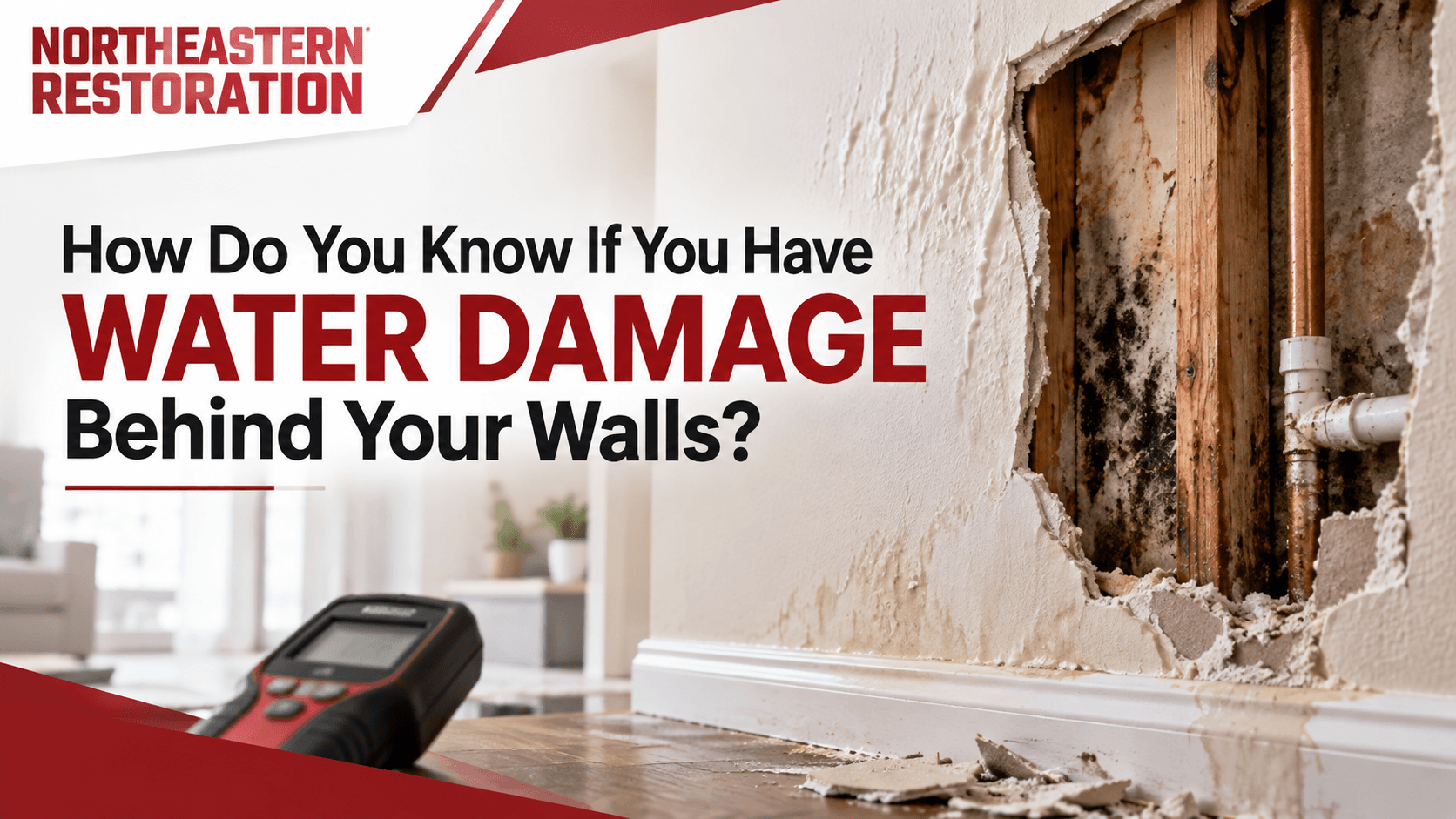
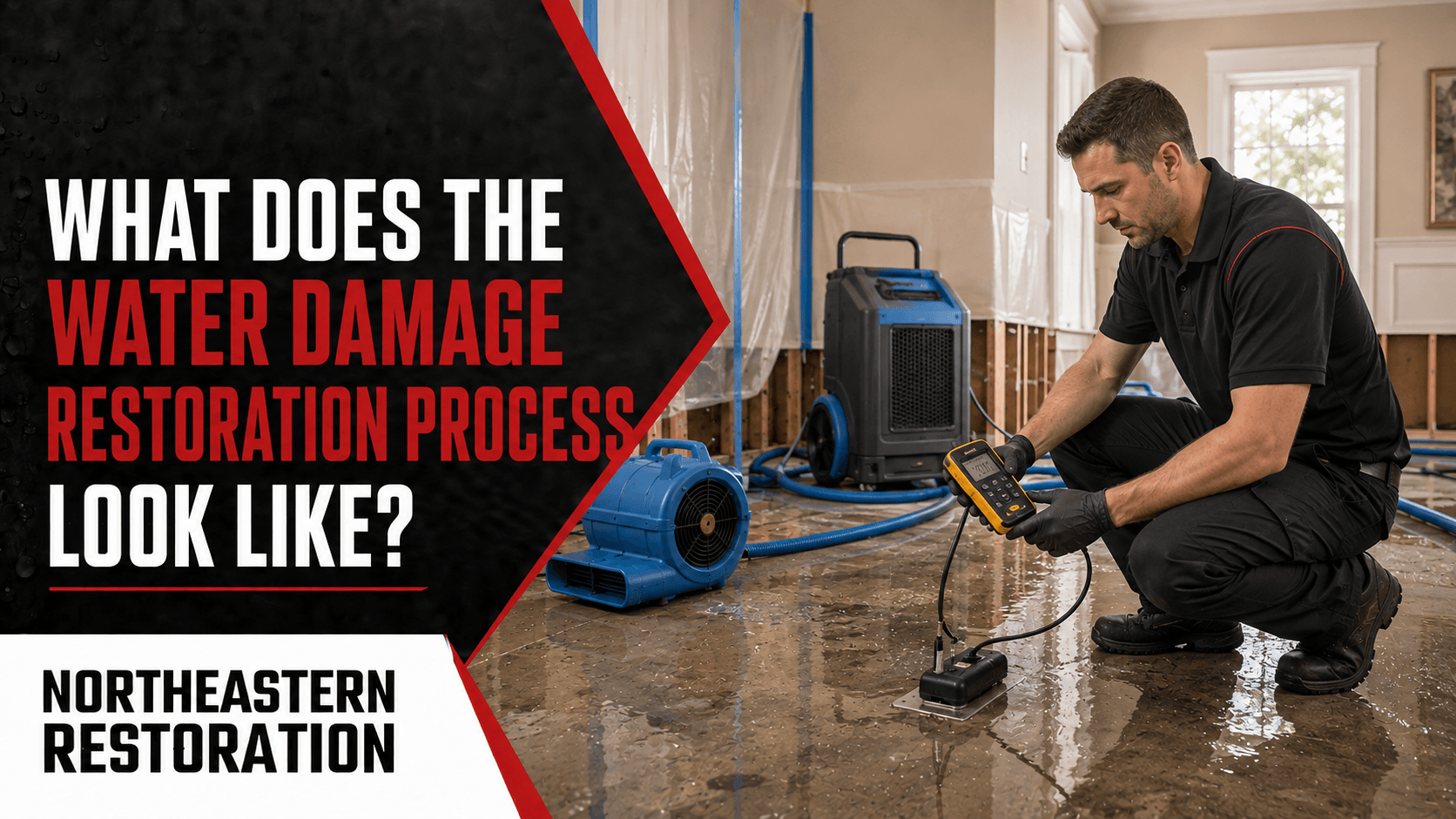
Professionals utilize specialized tools and techniques during the assessment phase to determine the extent of the water damage accurately. Moisture meters and thermal imaging cameras are employed to identify hidden pockets of moisture within walls and beneath floors without the need for invasive procedures. This comprehensive evaluation guides the development of a strategic restoration plan tailored to address specific types of water damage and its severity.
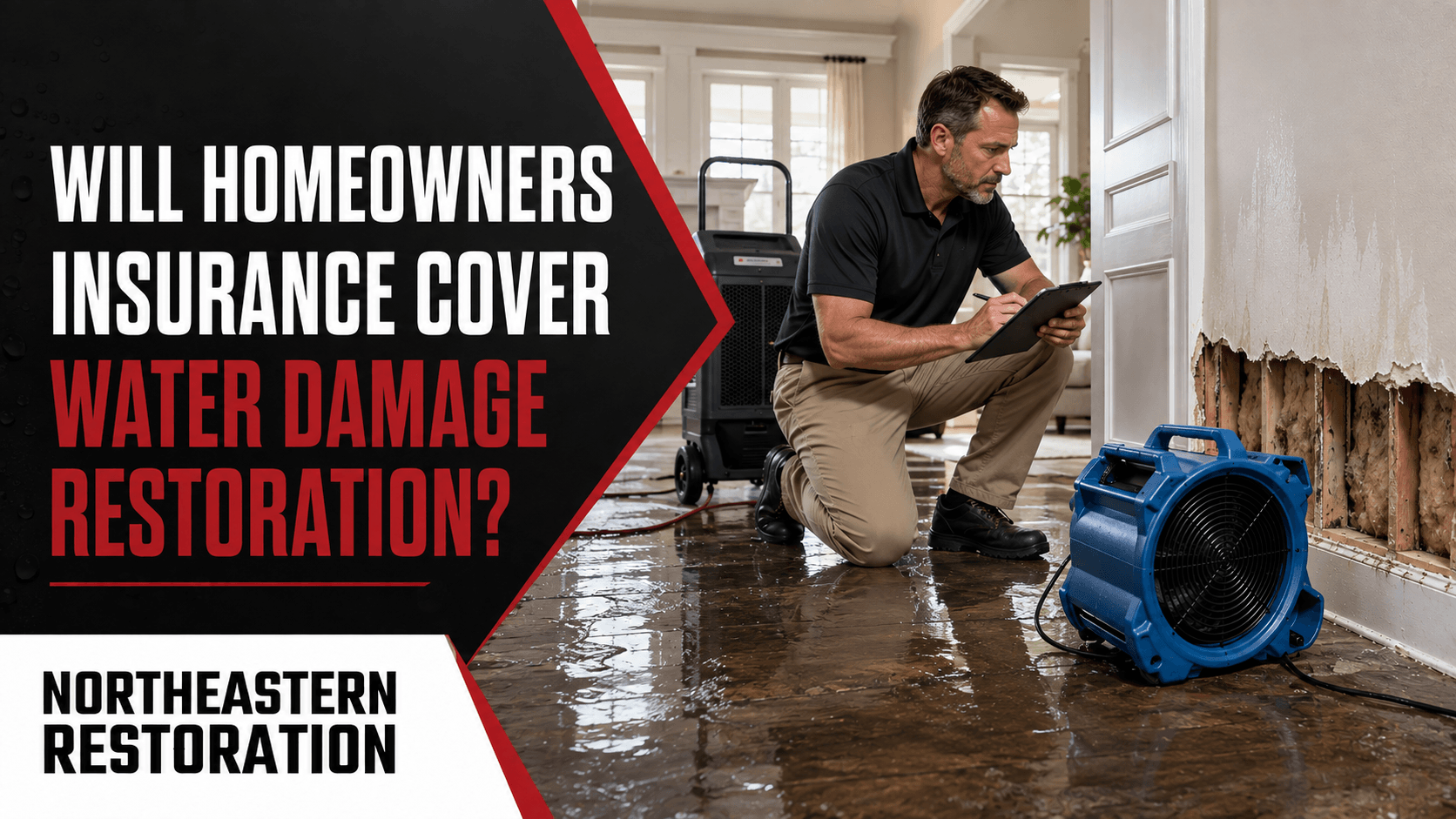
Understanding the role of insurance in water damage restoration is vital. Property owners should meticulously document the damage—taking photos or videos—as evidence for insurance claims. This documentation facilitates the claims process, ensuring a smoother engagement with insurance companies for coverage determination and compensation for losses incurred.
Step 2: Water Removal Process
Once the initial assessment confirms the extent of water intrusion, the next crucial step is the water removal process. Utilizing advanced equipment like submersible pumps and industrial-strength wet/dry vacuums, professionals swiftly extract standing water, significantly reducing drying time and mitigating the risk of mold growth and further structural damage. The efficiency of these tools in removing water is pivotal in preventing the proliferation of mold, which can start to grow within 24-48 hours in moist conditions.
In a DIY scenario, homeowners may employ portable pumps and wet vacuums, available at local hardware stores, for smaller-scale water removal tasks. However, safety precautions are paramount; ensure electricity sources are turned off to prevent electrocution and wear protective gear to avoid contact with potentially contaminated water. It's imperative to act swiftly but safely, understanding that professional assistance may still be necessary for thorough drying and sanitation following DIY water extraction efforts, especially in cases of significant water damage.
Step 3: Drying and Dehumidifying
After water removal, the focus shifts to drying and dehumidifying, distinct yet complementary processes crucial for restoring a property effectively. Drying involves the removal of moisture from structural elements and belongings, primarily through evaporation facilitated by air circulation. On the other hand, dehumidifying extracts water vapor from the air, which is crucial in environments where humidity levels can spur further moisture absorption into materials, prolonging the drying process and potentially fostering mold growth.
Professionals deploy air movers and commercial-grade dehumidifiers to accelerate these processes. Air movers enhance airflow across surfaces, speeding up evaporation, while dehumidifiers lower the room's humidity levels, making it harder for moisture to remain in the air and surfaces. For comprehensive drying, ensuring good ventilation is key; open windows, if weather permits, to aid in moisture elimination.
To prevent moisture buildup in hidden areas—like behind walls or under flooring—thermal imaging cameras or moisture meters help identify unseen damp spots. Ensuring these areas are dry is paramount in averting mold proliferation and securing the structural integrity of the property.
Step 4: Cleaning and Sanitizing
Cleaning and sanitizing are critical steps in the water damage restoration process, essential for preventing mold and bacterial growth that pose health risks. Thorough cleaning removes contaminants, while sanitizing involves the application of chemical or natural agents to reduce the level of bacteria, ensuring a safe environment. Techniques vary based on the damaged materials; for instance, carpets may require hot water extraction or steam cleaning, whereas walls and hard surfaces benefit from gentle wiping with appropriate solutions to avoid further damage.
For personal items, ultrasonic cleaning can be effective, especially for delicate possessions. When choosing cleaning agents, it's crucial to consider the surface and the type of contaminants. Chemical disinfectants, such as bleach solutions, are potent against a wide range of pathogens but may not be suitable for all materials. Alternatively, natural cleaners like vinegar or hydrogen peroxide offer a less aggressive option, effective against mold and mildew without leaving harmful residues. Selecting the right cleaning and sanitizing agents ensures the longevity of belongings and the health of inhabitants.
Step 5: Restoration and Repair
Restoration and repair, the final steps in water damage recovery, span from minor adjustments to major reconstructions. Minor repairs typically include aesthetic updates like painting and fixing drywall, straightforward tasks aimed at reviving the property's appearance and functionality briefly disrupted by water damage. These efforts often require basic tools and knowledge, allowing property owners to undertake them without extensive professional help.
Major restorations, however, involve comprehensive work like rebuilding damaged rooms or structures profoundly affected by water intrusion. This level of restoration demands the expertise of professional contractors who possess the requisite skills and resources to ensure structural integrity and adherence to building codes.
When it comes to restoring dampened furniture and personal items, the approach depends on the material and extent of damage. Techniques can range from drying and cleaning to more elaborate methods, such as refinishing or reupholstery, aimed at preserving sentimental or high-value items. In scenarios where the water damage is extensive and involves complicated repairs, enlisting professional contractors is not just recommended but essential to ensure a safe and thorough restoration.
Can You Prevent Water Damage?
While it is impossible to eliminate all risks of water damage, proactive measures can significantly reduce the likelihood of occurrence and minimize potential damage. Regular maintenance and inspections are crucial in identifying and addressing potential issues before they escalate. Homeowners should prioritize inspecting roofs for damage, ensuring proper sealing around windows and doors, and examining appliances for signs of leaks.
Installing water sensors in areas prone to water accumulation, such as basements, bathrooms, and under kitchen sinks, can offer an early warning, allowing for swift action to prevent larger-scale damage. These sensors can detect even small amounts of moisture and alert homeowners to the presence of unwanted water.
Landscaping also plays a vital role in water damage prevention. Proper grading around the foundation ensures that water flows away from the home, reducing the risk of basement flooding. Additionally, maintaining clear drainage paths prevents water from pooling near the structure.
Regular gutter cleaning and plumbing maintenance are essential practices. Gutters clogged with debris can lead to water overflow, damaging the roof and walls. Meanwhile, periodic inspections of pipes and fixtures can identify potential leaks early. Addressing these issues promptly not only prolongs the life of the home's integral systems but also safeguards against the inconvenience and costs associated with water damage repairs.
How to Choose a Water Damage Restoration Professional
Selecting a qualified and experienced water damage restoration company is paramount to ensuring that your property is restored effectively and efficiently. Key factors include the company's certifications, insurance coverage, and customer feedback. Reputable service providers hold certifications from recognized industry organizations, such as the Institute of Inspection, Cleaning and Restoration Certification (IICRC). This demonstrates their expertise and commitment to upholding the highest standards. Insurance is equally crucial, as it protects both you and the restoration company in the event of further damage or accidents during the restoration process.
Explore customer reviews and testimonials to gauge the company's reliability and customer service quality. These insights offer a glimpse into others' experiences, helping you make an informed decision. When interacting with potential service providers, inquire about their experience with situations similar to yours, what a water remediation company does exactly in those scenarios, their approach to handling complex water damage cases, and their timeline for completing the restoration. Ask about their emergency response time and whether they provide comprehensive services, including both restoration and necessary repairs. This due diligence will guide you in choosing a partner that can proficiently address your needs and bring your property back to its pre-damage state.
What's Your Water Damage Plan? Stay Safe With Northeastern Restoration
At Northeastern Restoration, we understand the urgency and complexity of water damage. Our team of certified professionals is equipped with the expertise and cutting-edge technology to restore your property efficiently, tackling everything from initial assessment to final repairs. We pride ourselves on our rapid response time, meticulous attention to detail, and unwavering commitment to customer satisfaction. Whether facing clean, gray, or black water damage, trust us to bring your space back to its pre-damage condition. Don't wait for the damage to escalate—contact Northeastern Restoration today and ensure the safety and integrity of your property.
Water Damage Restoration Process FAQs
How long does it take to restore a home after water damage?
The restoration time after water damage can vary based on the extent of the damage, ranging from a few days for minor issues to several weeks or months for significant destruction involving structural repairs.
How long does it take for water to cause structural damage?
Structural damage can occur rapidly, within 24 to 48 hours of exposure to water, highlighting the importance of immediate action to mitigate the risk of severe structural integrity issues.
How much does water damage restoration cost?
The cost of water damage restoration can vary widely, depending on the scale of damage, required repairs, and location, typically ranging from $1,200 to $5,000 or more for extensive restoration work.
What is the difference between mitigation and remediation of water damage?
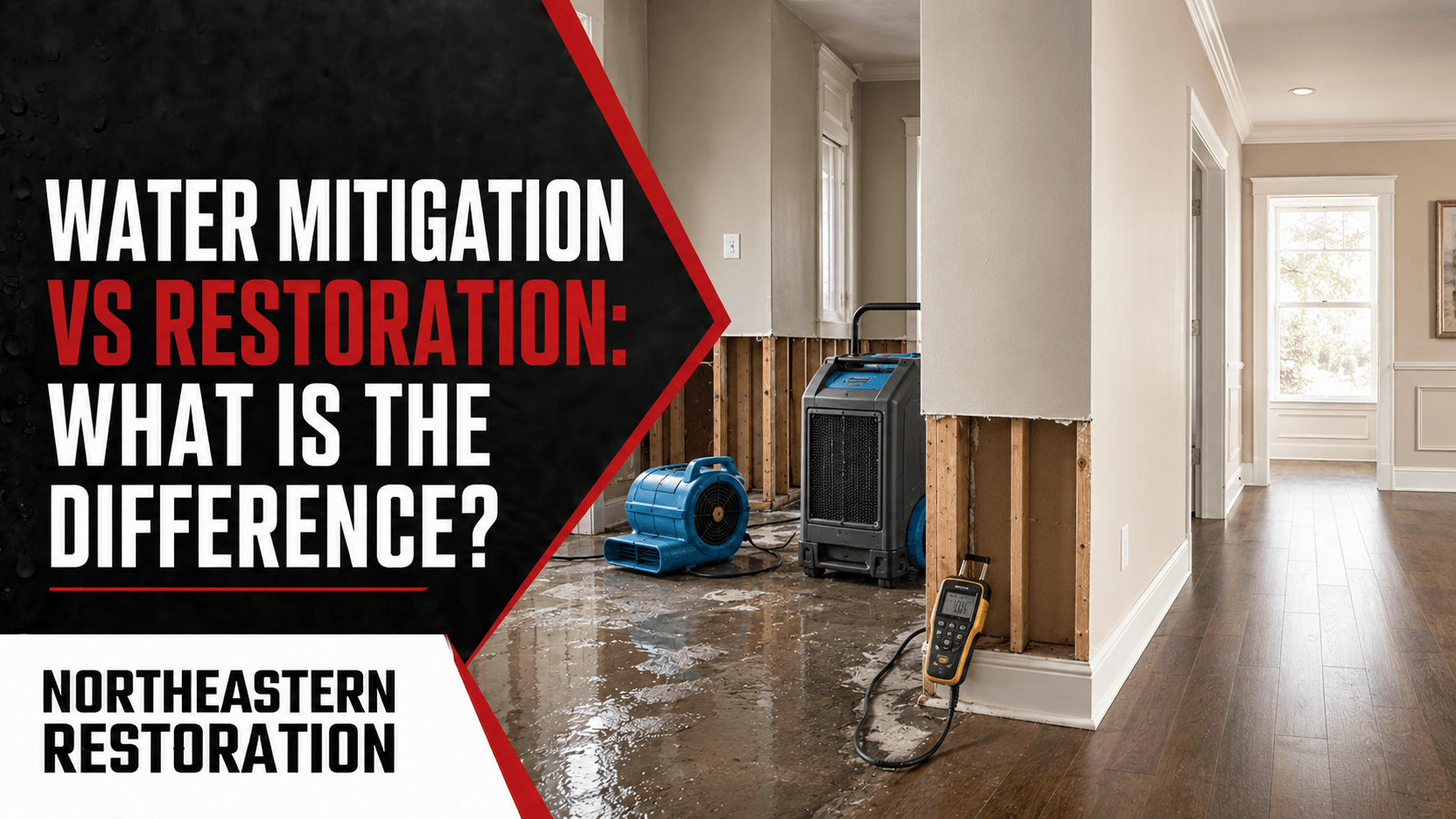
Mitigation of water damage focuses on preventing further damage, while remediation involves repairing or restoring the damaged areas to their pre-damage condition.
Is water damage reversible?
Water damage can be reversible, especially if addressed promptly and thoroughly, including drying, cleaning, and repairing affected areas, though some severe cases may result in permanent damage to certain materials.