Water Damage Restoration: A Step-by-Step Guide for Homeowners
Water Damage Restoration: A Step-by-Step Guide for Homeowners
Understanding the water damage restoration process is crucial for homeowners and property managers alike, as timely and effective action can mitigate extensive damage and financial loss. Water damage can arise from various sources, including natural disasters, plumbing failures, and appliance leaks, each demanding a swift response. This article will show the steps involved in the restoration process, highlight preventative measures, and identify common causes of water damage. By familiarizing yourself with these elements, you can better prepare for potential incidents and ensure a comprehensive recovery strategy when faced with water-related emergencies.
What is Water Damage?
Water damage is classified into three categories: clean water, gray water, and black water, each with distinct implications for restoration efforts. Clean water originates from sources like broken pipes or rainwater and poses minimal health risks when addressed promptly. In contrast, gray water comes from sinks, showers, or appliances and can contain harmful microorganisms, making it crucial to handle with care. Blackwater, originating from sewage or floodwaters, is highly contaminated and represents a severe health hazard, requiring professional remediation to ensure safety.
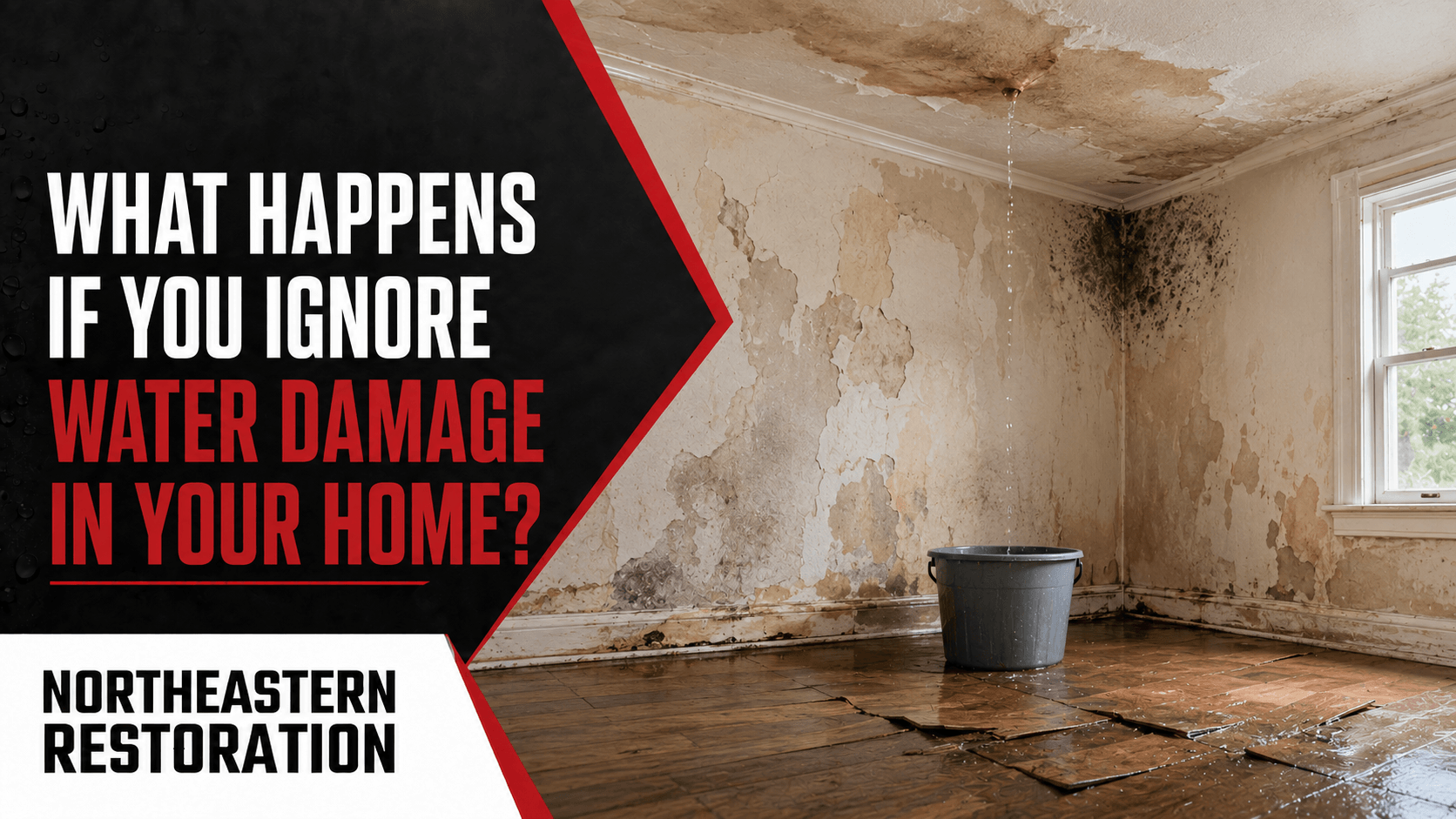
A quick response to water damage is critical to minimize further destruction and mitigate health risks. Delays in addressing water intrusion can lead to structural damage, mold growth, and increased repair costs. Common areas and items in homes susceptible to water damage include basements, bathrooms, kitchens, and HVAC systems. Appliances such as washing machines, water heaters, and dishwashers are particularly vulnerable to leaks and bursts. Homeowners must maintain vigilance regarding potential sources of water damage and implement preventative measures, ensuring that their properties remain safe and structurally sound.
Step 1: Initial Assessment and Safety Measures
The safety of all individuals involved in the water damage restoration process is paramount. Before beginning any assessment, it is crucial to turn off the electricity in the affected area to prevent electrical hazards. Additionally, professionals should wear appropriate protective gear, including gloves, masks, and waterproof boots, to shield themselves against pollutants and contaminants.
Once safety is ensured, professionals utilize various tools and techniques to accurately assess the extent of water damage. Moisture meters, infrared cameras, and hygrometers are commonly employed to identify hidden moisture, evaluate the degree of damage, and establish moisture levels throughout the property.
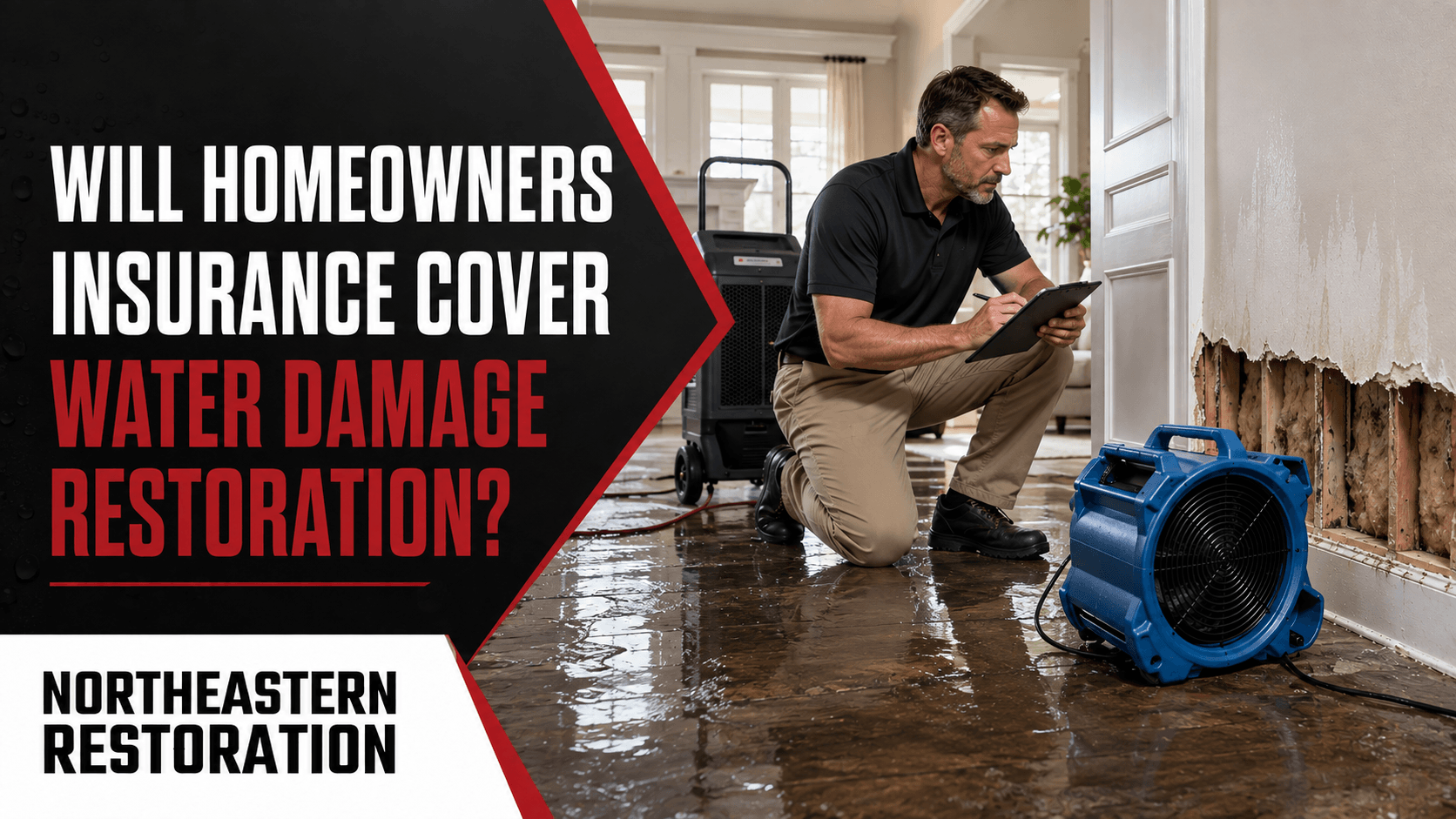
Simultaneously, it is essential to involve your insurance provider early in the process. Documenting the damage meticulously through photographs and written accounts is critical for filing claims. This documentation serves as evidence of the extent of damage and will facilitate a smoother claims process, ensuring that homeowners receive the necessary support to initiate restoration efforts effectively.
Step 2: Water Removal Process
Effective water removal is crucial for preventing further damage to property and inhibiting mold growth. Professional restoration services typically utilize submersible pumps and industrial-grade wet vacuums to eliminate standing water swiftly. Submersible pumps are particularly effective for large volumes of water, while wet vacuums tackle leftover moisture in areas such as carpets and flooring.
In a DIY scenario, essential tools include a standard wet/dry vacuum, buckets for manual removal, and squeegees to assist in directing water toward the vacuum. It is vital to act quickly, as stagnant water can lead to mold development within 24-48 hours, resulting in significant health risks and costly repairs.
Homeowners should also exercise caution, ensuring they wear protective gear—such as gloves and masks—and shut off electricity in affected areas before beginning. By utilizing the right equipment and taking necessary precautions, individuals can efficiently manage water removal and safeguard their property against prolonged water damage.
Step 3: Drying and Dehumidifying
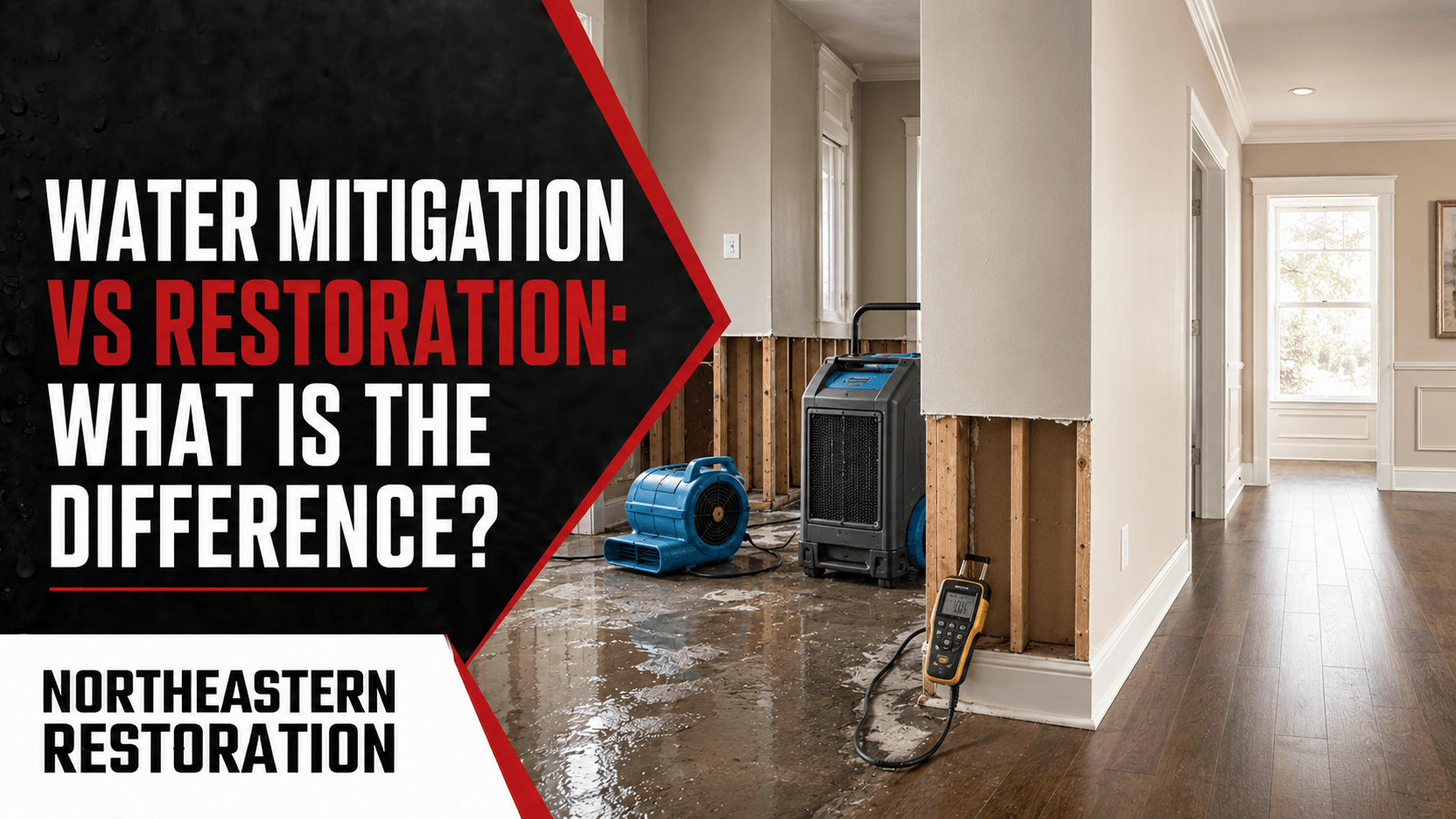
Drying and dehumidifying are distinct yet complementary processes essential for effective water damage restoration. Drying refers to the removal of liquid water from surfaces while dehumidifying targets the reduction of moisture in the air to prevent secondary damage, such as mold growth. Both phases are vital; without thorough drying, residual moisture can lead to structural deterioration and health risks.
To facilitate these processes, restoration professionals employ air movers and dehumidifiers. Air movers increase airflow across wet surfaces, accelerating evaporation, while dehumidifiers extract moisture from the air, lowering humidity levels and promoting faster drying.
Equipment such as thermal imaging cameras may also be used to identify hidden pockets of moisture behind walls or beneath flooring.
For optimal results, ensure that all surfaces are exposed to air movers and maintain appropriate temperature and airflow. Regularly check hidden areas, such as crawl spaces and under carpets, for moisture buildup. By diligently applying these techniques, homeowners can effectively mitigate the risk of mold and ensure comprehensive restoration.
Step 4: Cleaning and Sanitizing
Cleaning and sanitizing following water damage is crucial in preventing mold and bacterial growth, which can pose serious health risks. Mold thrives in damp environments, and without proper cleaning, residual moisture can lead to extensive infestations within 24-48 hours. Restoration experts utilize a variety of techniques and solutions tailored to the surfaces requiring treatment.
For carpets and upholstery, hot water extraction, combined with appropriate cleaning agents, effectively removes dirt and contaminants. Hard surfaces, such as walls and floors, are typically cleaned with a mixture of water and disinfectants to eliminate bacteria and spores. For personal items, gentle but thorough cleaning is essential to preserve their integrity.
Homeowners may opt for natural cleaning agents like vinegar or baking soda, which are effective and environmentally friendly while ensuring proper ventilation. Chemical cleaners, when necessary, should be used according to manufacturer guidelines to maximize efficacy and safety. Ultimately, a comprehensive cleaning regimen is paramount in safeguarding health and ensuring the longevity of restored areas.
Step 5: Restoration and Repair
Restoration and repair can be categorized into minor and major interventions. Minor repairs, such as painting walls or patching drywall, typically involve straightforward tasks that homeowners can manage themselves with basic tools and materials. These repairs focus on cosmetic enhancements and restoring the appearance of affected areas. In contrast, major restorations may require extensive work, such as reconstructing entire rooms or replacing structural components, often necessitating the involvement of professional contractors to ensure compliance with safety standards and building codes.
Additionally, the restoration of damaged furniture and personal items is a critical aspect of the recovery process. For upholstered furniture, deep cleaning and potentially reupholstering may be required, while wooden furniture might need refinishing or replacement of hardware. In cases where items are severely compromised, professional restoration services may be necessary to salvage them effectively. Engaging experts not only ensures quality workmanship but also maximizes the longevity and aesthetic appeal of restored belongings, providing homeowners with a comprehensive recovery solution.
Can You Prevent Water Damage?
Preventing water damage starts with proactive maintenance and regular inspections. Homeowners should routinely check for leaks in plumbing, around appliances, and in the roof to catch potential issues early. Establishing a maintenance schedule for plumbing can prevent clogs and leaks that may lead to water intrusion.
Installing water sensors in key areas, such as basements and laundry rooms, can provide early warnings of moisture and prevent significant damage before it occurs. Additionally, proper landscaping plays a critical role in water damage prevention; sloping the ground away from the foundation and ensuring drainage systems are effective can mitigate the risk of water pooling around the home.
Regular cleaning of gutters is essential to prevent blockages that can lead to water overflow, damaging roofs and walls. A clear pathway allows rainwater to flow properly, reducing the risk of leakage. Lastly, scheduling routine inspections by professionals can further ensure that all systems, including HVAC, are functioning optimally, which greatly decreases the likelihood of unexpected water damage. By adopting these preventative measures, homeowners can protect their properties from potential water-related issues and safeguard their investments.
How to Choose a Water Damage Restoration Professional
Selecting a qualified and experienced water damage restoration company is paramount to ensure effective remediation and recovery. Begin by verifying that the company holds the appropriate certifications from recognized industry bodies, such as the Institute of Inspection, Cleaning, and Restoration Certification (IICRC). These certifications indicate adherence to industry standards and best practices.
Insurance coverage is another crucial factor; ensure the company carries liability and worker's compensation insurance to protect against potential damages or injuries during the restoration process. Additionally, seek out customer reviews and testimonials online, as these provide insight into the company's reliability, quality of service, and overall customer satisfaction.
When interviewing potential service providers, consider asking the following questions: What is your response time for emergencies? Can you provide references from previous clients? What equipment and techniques do you implement for the restoration process? How do you ensure the safety of your workers and my property? What is your plan for dealing with potential mold growth? By conducting thorough research and asking the right questions, you can confidently choose a restoration professional who will effectively address water damage and protect your property.
What's Your Water Damage Plan? Stay Safe With Northeastern Restoration
Effective water damage management involves a structured approach, including initial assessment, water removal, thorough drying, sanitization, and restoration. Preventative measures are crucial in avoiding potential water-related issues. Homeowners are encouraged to maintain regular inspections and address leaks promptly. Northeastern Restoration stands ready to assist in any water damage situation, equipped with certified professionals and state-of-the-art equipment to restore your property effectively. Don't let water damage compromise your home's integrity—contact Northeastern Restoration today for a comprehensive assessment and expert service. Your peace of mind is just a call away!