How to Prevent Fire Damage in Your Commercial Building
How to Prevent Fire Damage in Your Commercial Building
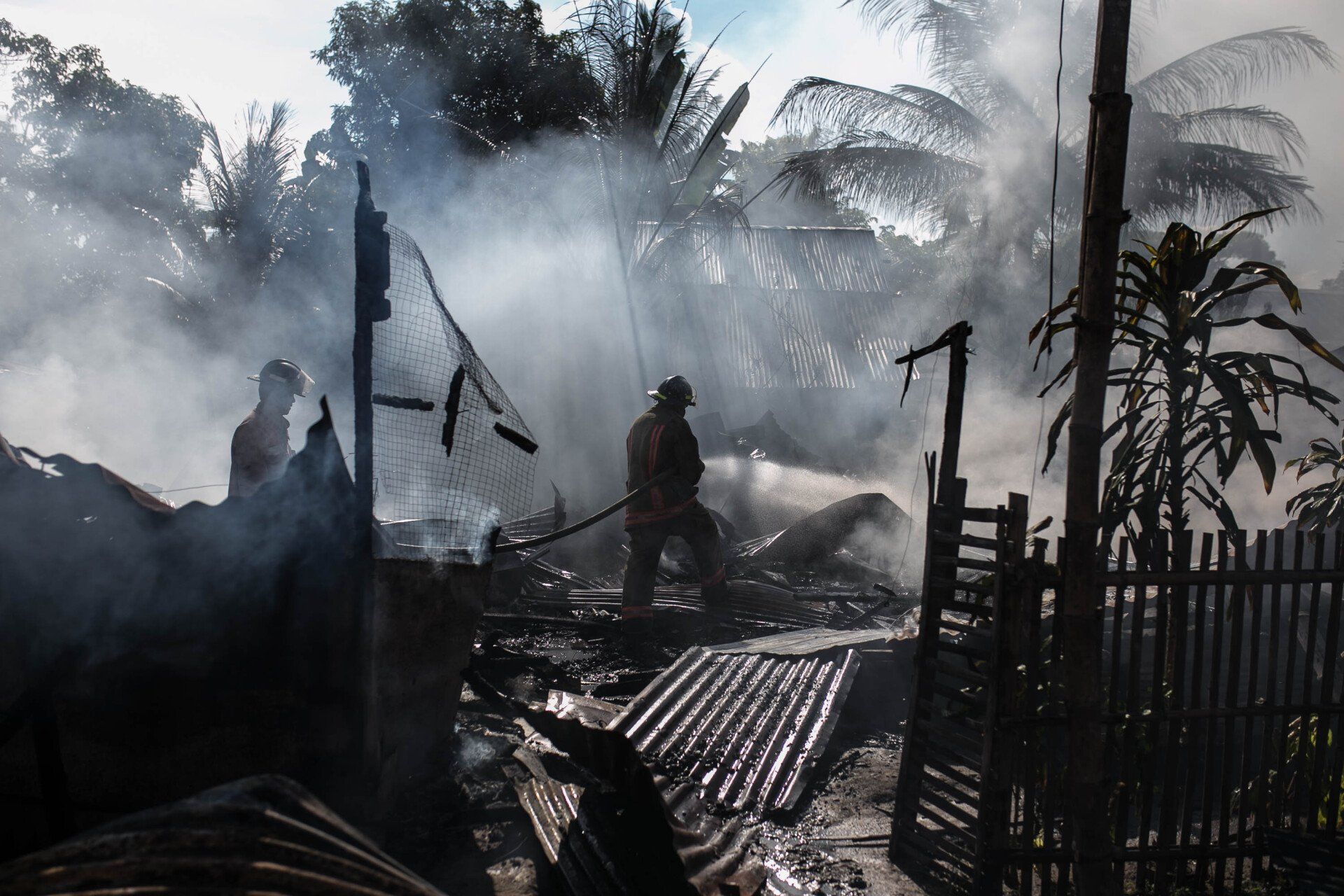
Fire safety in commercial establishments is paramount, impacting not only the physical infrastructure but also the lives of employees and customers. Statistics reveal that commercial fire damage not only costs businesses billions of dollars annually but also leads to significant operational disruptions. In this article, we will explore effective strategies to prevent fire damage within commercial buildings. By implementing rigorous safety protocols, regularly conducting inspections, and investing in advanced fire detection systems, businesses can significantly mitigate the risk of fires. Let's discuss comprehensive measures to protect your establishment from the devastating impacts of commercial fire damage.
Understanding the Risks: Why Commercial Fires Happen
Commercial property fire damage can often be traced back to several common causes, each varying in nature but equally capable of initiating devastating impacts. Among the leading causes, electrical malfunctions stand out as a substantial risk. Faulty wiring, overloaded circuits, and malfunctioning electrical appliances can all ignite fires if not properly managed. Additionally, heating equipment, especially in regions with colder climates, poses a significant risk when not adequately maintained or placed too close to flammable materials.
Another prevalent cause relates to smoking in or around commercial premises. Despite the decreasing prevalence of smoking, improperly disposed cigarette butts continue to be a fire hazard, particularly in environments with combustible materials.
The unique nature of a business significantly influences its fire risks. For example, restaurants with busy kitchens face different challenges compared to office buildings that are predominantly concerned with electrical and heating equipment. Restaurants deal with open flames, cooking oils, and a bustling environment that can all contribute to higher fire risks.
This variability underscores the importance of conducting a thorough fire risk assessment tailored to the specific type of business. Understanding and identifying potential hazards unique to each commercial setting are essential steps toward mitigating the risk of commercial property fire damage. By recognizing these risks, businesses can implement tailored measures to protect their assets, employees, and customers, effectively reducing the likelihood of devastating fire incidents.
Essential Strategies for Preventing Fire Damage in Commercial Properties
Ensuring fire safety within commercial properties is crucial for safeguarding lives and assets. Proactive prevention strategies, including regular inspections and advanced fire detection, are essential keys to minimizing the risks and impacts of fire damage significantly.
1. Conduct Regular Fire Risk Assessments
Identifying potential fire hazards through regular fire risk assessments is foundational in preventing fire incidents. These assessments should systematically examine all aspects of the premises, looking for fire risks and evaluating the adequacy of existing fire prevention measures. It's recommended that these assessments be conducted annually or whenever significant changes to the premises occur. Ideally, a qualified fire safety expert or a trained member of the staff familiar with the property and its operations should perform the assessment. This proactive approach allows for the timely identification and mitigation of risks, significantly enhancing fire safety within commercial properties.
2. Install and Maintain Fire Detection Systems
Early fire detection is crucial for the safety of commercial properties, significantly reducing the risk of extensive damage and injury. Various types of fire detection systems, including smoke detectors, heat sensors, and manual pull stations, offer diverse solutions tailored to different commercial needs. Proper installation by certified professionals ensures optimal functionality, while routine maintenance — testing and inspections as recommended by the manufacturer — guarantees reliability. Employing a combination of these systems, based on the specific requirements of the property, forms a critical layer of defense in fire safety strategy.
3. Ensure Electrical Safety
Within commercial settings, common electrical fire hazards include outdated wiring, overloaded power outlets, and the use of malfunctioning equipment. Routine inspection and maintenance of electrical systems are essential preventive measures. It's crucial to ensure that all wiring complies with current safety standards and any signs of wear or damage are promptly addressed. Encouraging safe usage practices, such as refraining from overloading sockets and regularly inspecting cords and plugs for damage, helps minimize risks. Adhering to these guidelines significantly contributes to preventing electrical fires in commercial spaces.
4. Implement Fire Suppression Solutions
Fire suppression systems, such as sprinklers and extinguishers, play a crucial role in quickly containing fires and minimizing damage. Ensuring they are readily accessible and that staff members are trained in their proper usage is of utmost importance. Sprinkler systems, when activated by heat, can douse flames over a large area, significantly slowing the fire's progression. Fire extinguishers, tailored for different types of fires (e.g., electrical, grease), provide a first line of defense. Regular maintenance checks are essential to ensure these systems function correctly when needed, underscoring their role in comprehensive commercial fire safety strategies.
5. Safe Storage of Flammable Materials
Proper storage and handling of flammable materials are crucial in commercial settings. Common flammable items include paper products, solvents, cleaning agents, and cooking oils. These should be stored in designated, well-ventilated areas away from ignition sources. It's imperative to use containers designed for flammable substances, ensuring they are correctly labeled to identify the contents and hazard level. Regularly inspect storage areas for leaks or damage and ensure all employees are trained in handling procedures. Adhering to these practices significantly reduces the risk of fire, promoting a safer commercial environment.
6. Conduct Regular Fire Safety Training
Employee training is indispensable in reinforcing a culture of safety and preparedness within commercial environments. Effective fire safety training programs should be comprehensive, covering fire prevention strategies, the use of fire suppression equipment, and evacuation procedures. Training sessions need to be conducted regularly, at least annually, with updates as necessary to include new staff and refresh the knowledge of existing employees. Incorporating hands-on sessions, such as fire extinguisher use, along with evacuation drills, ensures that all staff members are confident and capable of responding appropriately in the event of a fire.
7. Maintain Clear Escape Routes and Evacuation Plans
Maintaining clear and accessible escape routes is vital for ensuring a swift and orderly evacuation in the event of a fire. It is imperative that evacuation plans are not only meticulously developed but also effectively communicated to all personnel. These plans must detail the fastest and safest routes out of the building, including alternative exits. Conducting regular fire drills is essential, allowing staff to practice evacuation procedures and familiarize themselves with escape routes, thus reducing panic and disorder during an actual emergency. This practice reinforces the importance of readiness and safety in commercial spaces.
8. Utilize Fire-Resistant Materials and Fire Doors
Incorporating fire-resistant materials in construction enhances the structural integrity of commercial buildings, significantly slowing down the spread of a fire. Specifically, the utilization of fire doors is critical; these barriers are engineered to withstand heat and resist flames, providing crucial extra minutes for evacuation. It is essential that these fire doors comply with the latest building codes and are subjected to regular inspections to ensure their functionality. Ensuring all materials and fire prevention installations are up to code not only reinforces safety but also underlines a commitment to protecting property and lives from fire-related disasters.
9. Enforce Strict Smoking Policies
Smoking in commercial areas presents significant fire risks due to the potential ignition of flammable materials by improperly discarded smoking materials. Enforcing strict smoking policies, including the prohibition of smoking inside buildings and the designation of specific outdoor smoking areas equipped with appropriate disposal bins, is critical. These areas should be situated away from any potential fire hazards. Stressing the importance of properly extinguishing and disposing of cigarettes and other smoking materials can drastically reduce the likelihood of fires, safeguard property and ensure the wellbeing of all occupants within commercial environments.
10. Stay Compliant with Fire Safety Regulations
Adherence to local fire safety regulations is paramount in maintaining a secure commercial environment. These regulations are designed with profundity to address specific risks, promoting a safer workplace. Regular inspections serve as a critical mechanism to identify and rectify potential hazards, ensuring continual compliance and risk mitigation. Businesses can stay informed on fire safety compliance through resources such as government websites, fire safety consultants, and industry-specific guidelines. Engaging with these resources fosters an informed approach to fire safety, underpinning a commitment to the welfare of both personnel and property.
How to Respond to a Fire Emergency
In the unfortunate event of a fire, immediate and precise actions are critical to safeguard lives and minimize damage. Firstly, maintaining calm is paramount; panic can exacerbate the situation, leading to chaos. Upon detection of fire, quickly alert all occupants using the nearest fire alarm system and call the local fire department without delay. Swift, calm, and orderly evacuation should be the top priority. Utilize pre-established escape routes—clearly marked and free from obstructions—to lead everyone to safety.
The role of designated fire safety officers or trained staff members becomes crucial here; they guide the evacuation process, ensuring that everyone exits the building in an organized manner and reaches the assembly point safely. In situations where individuals are trapped, or mobility is impaired, it's imperative to communicate their location to rescue teams immediately.
Coordination with local fire departments and emergency services should be seamless. Provide them with essential information, including the fire's location within the building, the type of fire (if known), and any chemical or hazardous materials present. This information is crucial for setting up an effective response strategy, ensuring that firefighters are prepared with the appropriate equipment and tactics upon arrival.
Remember, the key to managing a fire emergency effectively lies in preparedness, calmness, and a well-coordinated response. Prior planning, regular drills, and clear communication channels with emergency services can significantly impact the outcome of such potentially devastating incidents.
Post-Fire Recovery Strategies
In the immediate aftermath of a fire, a strategic approach to recovery is critical. A crucial first step entails contacting your insurance provider to report the incident. Having comprehensive insurance coverage is vital; it ensures that you are adequately protected against a range of fire-related damages, including structural repairs, content replacement, and potential business interruption losses. It's imperative to review your policy periodically to understand the specifics of what's covered and to adjust coverage as necessary to align with current values and risks.
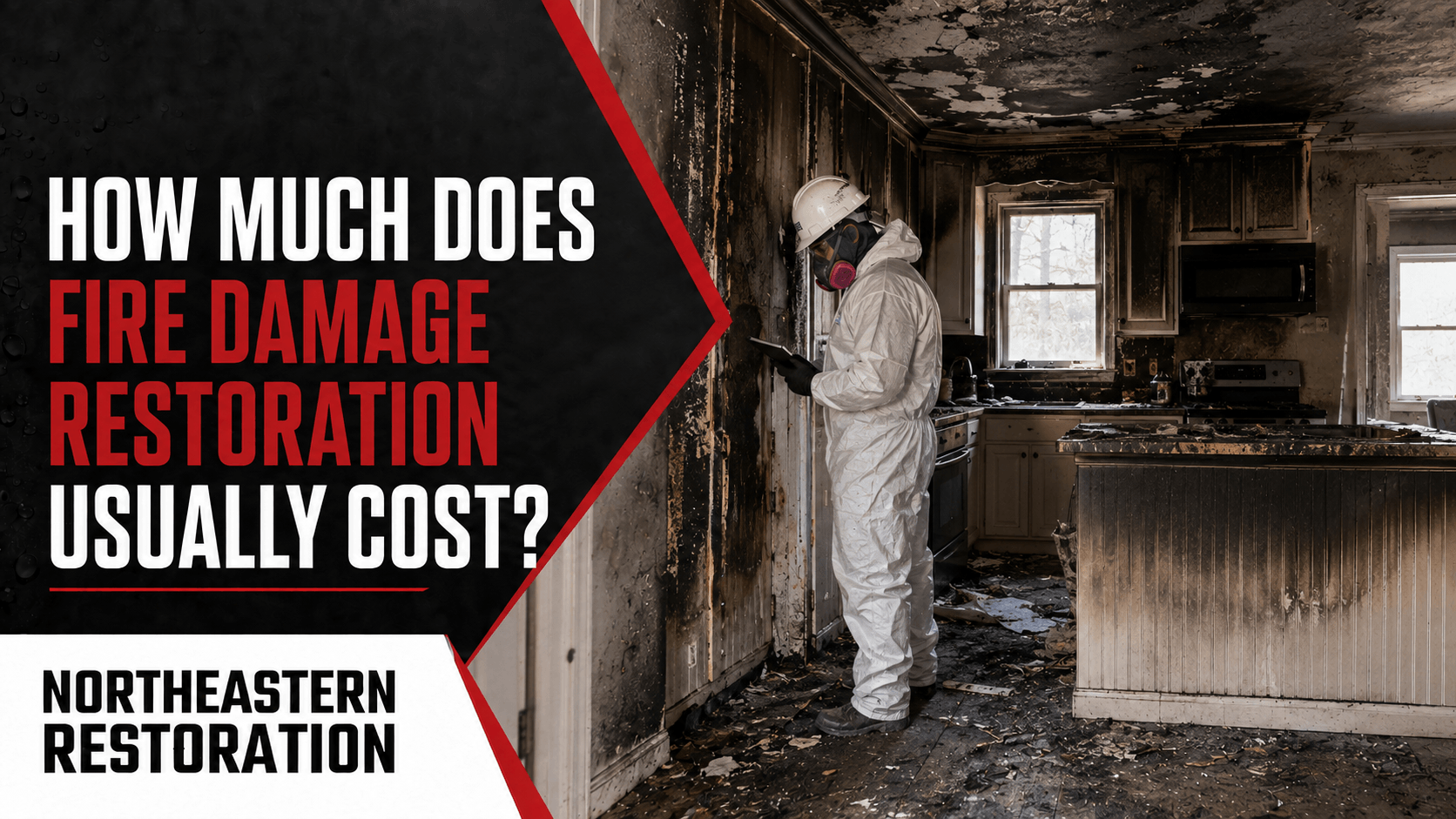
Choosing a professional fire restoration company is another key aspect of the recovery process. Look for reputable services with experience in dealing with fire-damaged commercial properties. A competent restoration company will conduct a thorough assessment, provide a clear plan for remediation, and work efficiently to restore the property to pre-fire conditions. Ensure that the company you select is licensed and insured, and consider checking references or reviews from past clients to gauge their reliability and quality of work.
Navigating the aftermath of a fire can be daunting, but with the right insurance coverage and a skilled restoration team, recovery can be more manageable. These steps will help to minimize disruptions to your business and facilitate a smoother transition back to normal operations.
Safeguard and Restore: A Comprehensive Approach to Fire Safety
At Northeastern Restoration, we specialize in providing comprehensive commercial fire damage restoration services designed to address the unique needs of businesses affected by fire. Our team of experts has extensive experience in dealing with all aspects of fire recovery, from initial assessment to final restoration. We understand the devastating impact of commercial fires and are committed to restoring your property to its pre-fire condition with professionalism and efficiency. Trust Northeastern Restoration to be your partner in navigating the complexities of commercial fire damage restoration, helping you get back to business as smoothly and swiftly as possible. Call our experts today!